
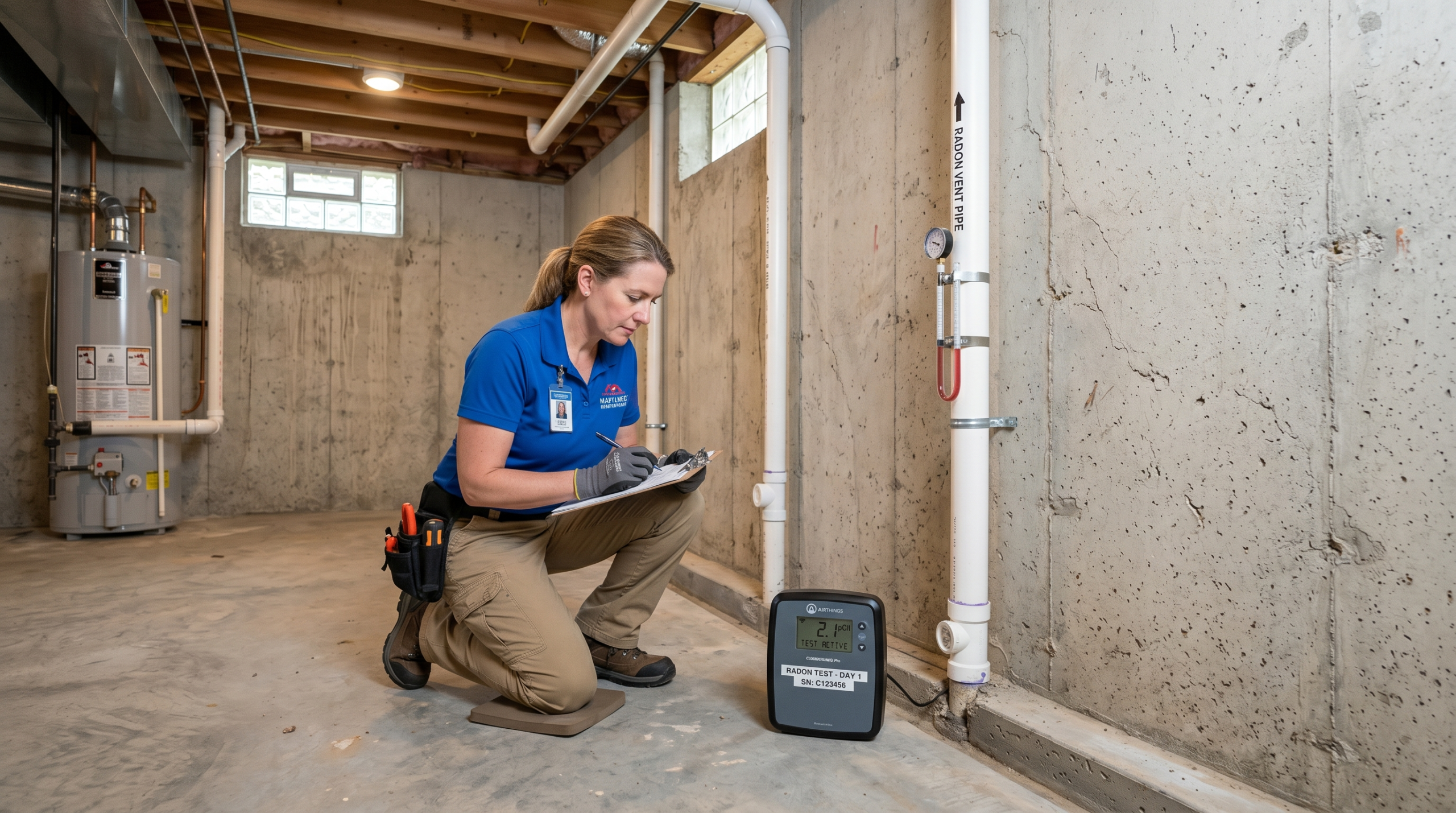
Radon gas is a problem that people do not think about when it comes to their homes. You cannot see radon gas, smell it, or taste it. When radon gas gets inside homes, it can cause serious health problems over time. This is especially important for people who live in Maryland because the ground conditions make it more likely for radon gas to enter homes.
That is why testing for radon gas in Maryland is an important part of home safety.
What Is Radon Gas?
Radon gas is a natural gas that comes from the ground. It forms when uranium breaks down in soil, rocks, and water. Radon gas can enter homes through cracks in foundations, basement floors, crawl spaces, and gaps around pipes or utility lines.
Once radon gas gets inside a home, it can build up to dangerous levels, especially in areas without proper ventilation. You cannot detect radon gas by sight or smell. The only way to know if your home has radon gas is through testing.
Why Are Maryland Homes More Vulnerable to Radon Gas?
The soil and rock types found in Maryland can increase the chances of radon gas entering homes. The amount of uranium in the ground, soil density, and local geology all affect radon levels.
Research shows that radon levels can vary greatly even between homes in the same neighborhood. One home may have safe levels while another nearby may have dangerously high levels.
Factors That Increase Radon Risk in Maryland Homes
- Basements built into the soil
- Older homes with foundation cracks
- Homes without proper ventilation systems
- Moist crawl spaces
- Areas with uranium-rich soil
Because of these differences, every home should be tested individually.
Health Risks of Radon Gas
Radon gas is dangerous because long-term exposure can lead to lung cancer. According to the U.S. Environmental Protection Agency, radon gas is the second leading cause of lung cancer after smoking.
When people breathe in radon gas, radioactive particles can become trapped in the lungs and damage lung tissue over time. The risk is higher for:
- Smokers exposed to radon gas
- Families living in basement areas
- Homes with poor air circulation
- People exposed for many years without testing
One of the biggest concerns is that radon gas exposure has no immediate symptoms. Health effects may take years to appear.
Why Every Maryland Home Should Be Tested
Testing for radon gas is one of the most important home safety measures homeowners can take. Radon levels depend on the soil, ventilation, and construction of each home.
Testing is especially recommended:
- Before buying or selling a home
- After basement renovations
- In homes with basements or crawl spaces
- As part of routine yearly safety checks
Radon testing is simple and effective. A detector is usually placed in a living area for a set period of time to measure radon levels.
There are both short-term and long-term radon tests available. Long-term tests generally provide more accurate average exposure results.
Radon Gas Levels in Maryland Homes
Radon levels in Maryland homes can vary greatly depending on local geology and home conditions.
The U.S. Environmental Protection Agency recommends taking action if radon levels exceed 4.0 pCi/L. Even levels between 2.0 and 4.0 pCi/L may still create long-term health risks.
Radon levels can also change over time because of weather conditions and soil movement. Regular testing helps ensure homes remain safe.
Radon Gas Test Cost in Maryland
The cost of radon gas testing in Maryland is relatively affordable compared to the health risks it helps prevent.
- DIY radon test kits are available at hardware stores at lower prices
- Professional inspections provide more accurate certified results
- Real estate inspection packages often include radon testing
Professional testing is still inexpensive compared to the medical costs associated with long-term radon exposure.
What Happens If Radon Levels Are High?
If testing shows high radon levels, mitigation systems can be installed to reduce the gas inside the home.
Common Radon Mitigation Solutions
- Sub-slab depressurization systems
- Radon exhaust fans
- Sealing foundation cracks
- Improved home ventilation
These systems can reduce radon levels by 90% to 99% in many cases.
Prevention and Long-Term Safety Tips
After installing a mitigation system, homeowners should continue monitoring radon levels regularly.
- Retest every 2–3 years
- Test again after renovations
- Maintain mitigation systems
- Keep basement areas ventilated
Regular testing and maintenance can help keep radon levels low and protect families from long-term health risks.
Conclusion
Radon gas is a serious but often invisible danger found in many homes across Maryland. Since you cannot see or smell radon gas, testing is the only way to know if your home is safe.
Regular radon gas testing in Maryland can help homeowners detect problems early, reduce health risks, and create a safer living environment for their families.
FAQs
1. What is the safest level of radon gas in homes?
The U.S. Environmental Protection Agency recommends taking action if radon levels exceed 4.0 pCi/L.
2. How often should homes be tested for radon gas?
Homes should generally be tested every 2–3 years and after major renovations.
3. Can radon levels vary between nearby homes?
Yes. Radon levels can differ greatly even between homes located close together.
4. Is short-term exposure to radon dangerous?
Short-term exposure carries lower risk, but long-term exposure is the main health concern.


