You’ve found a house you love, your offer was accepted, and now the next step is a home inspection. The first question most buyers ask is simple: how much is this going to cost?
In Maryland, a standard home inspection usually costs between $300 and $600, depending on the home’s size, age, and location. Smaller condos and townhomes tend to sit at the lower end, while large, older, or complex properties can run higher. Add-on services like radon or sewer scope testing raise the total.
This guide explains what drives that price, what’s included, which add-ons are worth paying for, and how to judge value instead of just chasing the lowest number.
The Short Answer: Typical Home Inspection Costs in Maryland
For a typical single-family home, most Maryland buyers should budget:
- Condos and smaller townhomes: toward the lower end of the range
- Average single-family homes (1,500 to 2,500 sq. ft.): the middle of the range
- Large, older, or complex properties (3,000+ sq. ft.): the upper end or above
Homes over 3,000 square feet commonly cost an additional $50 to $150, because they take more time to inspect properly.
If you want a number for your specific property, the fastest route is to request a quote from DeepSeek Home Inspections. The price depends on the home, and a quick conversation beats guessing.
What Affects the Cost of a Home Inspection in Maryland?
Two inspectors can quote very different prices for the same house. Here’s why.
1. Square Footage
Size is the biggest factor. A larger home has more rooms, more outlets, more windows, and more roof and crawl space to cover. Inspectors count basements, finished attics, and bonus rooms, not just the main floors.
2. Age and Condition of the Home
Older homes take longer. A 1960s Baltimore rowhouse or a century-old home in Ellicott City may have outdated wiring, older plumbing materials, settling foundations, or unusual construction. Inspectors have to look harder and write more, which raises the price. Newer construction is usually faster, though it still needs a careful look. Builders cut corners too, and a new home isn’t automatically a perfect one.
3. Location Within Maryland
Prices differ across the state. Inspectors in the Washington, D.C. suburbs and other high-cost areas often charge more than those in smaller markets. Drive time matters too. The further the inspector has to travel, the more it may add to the quote.
DeepSeek serves buyers and sellers across the state, including Howard County, Montgomery County, Anne Arundel County, Frederick County, Prince George’s County, and Baltimore County.
4. Property Type and Features
A standard single-family home is the baseline. Extras add time and sometimes require specialized knowledge:
- Swimming pools or hot tubs
- Detached garages, sheds, or guest houses
- Multiple HVAC systems
- Well and septic systems (common in rural parts of the state)
- Decks, porches, and elaborate outdoor structures
5. Add-On and Specialty Inspections
A general inspection gives you the broad picture. Add-ons go deeper into specific concerns, and each one carries its own fee. We cover these in detail below.
6. Inspector Experience and Credentials
A seasoned, certified inspector with proper insurance and a reputation for thorough reports may charge more than a part-timer, and often for good reason. Maryland requires home inspectors to be licensed, so always confirm the license of anyone you hire.
What’s Included in a Standard Home Inspection?
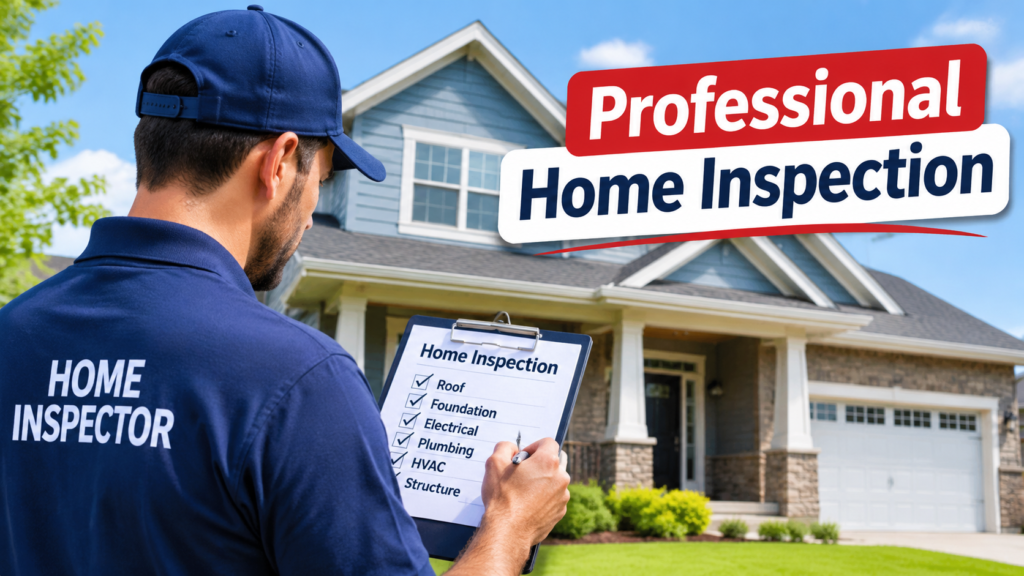
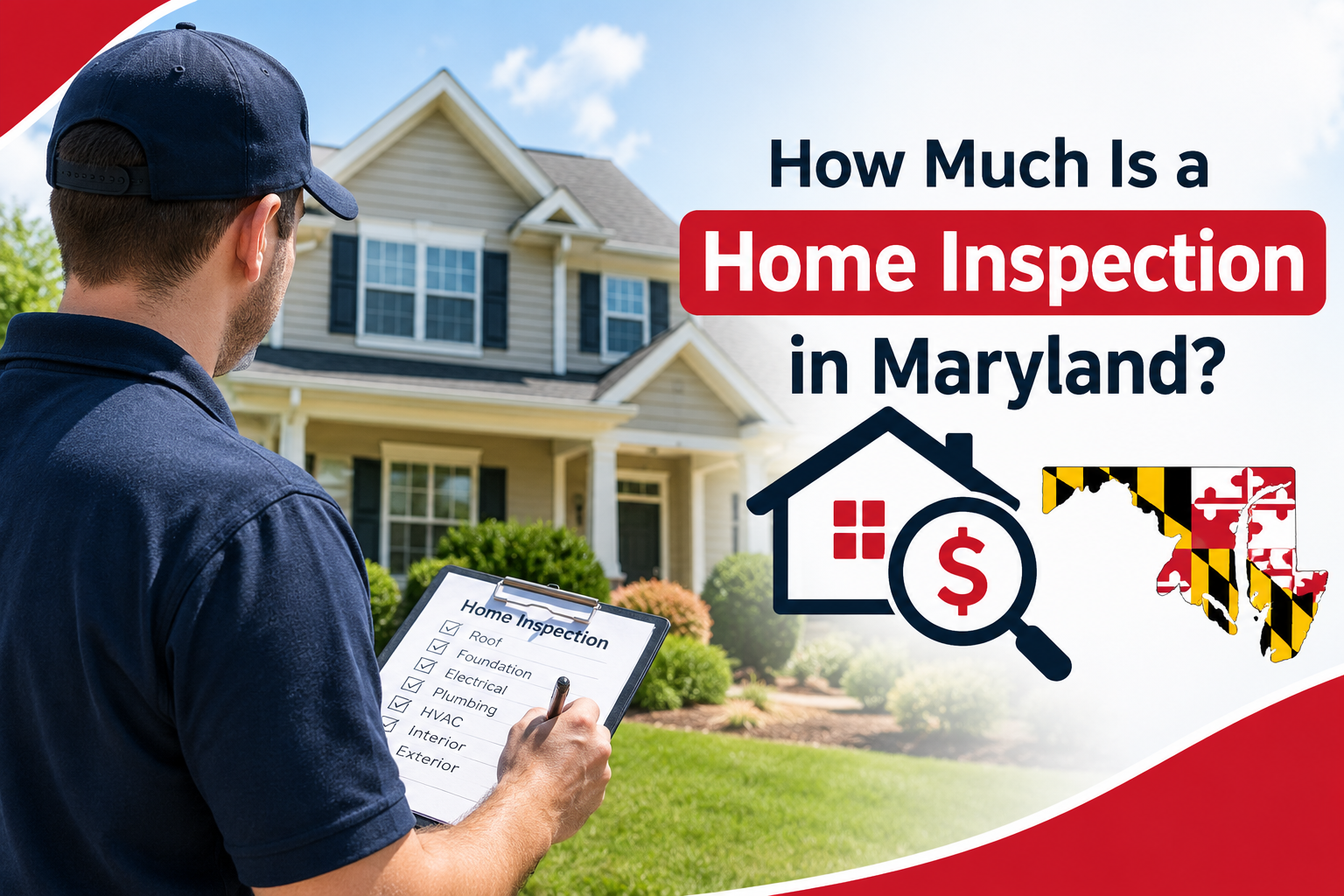
A general home inspection is a visual, non-invasive evaluation of the home’s major systems and components. It typically covers:
- Roof: shingles, flashing, gutters, and signs of leaks
- Exterior: siding, trim, drainage, grading, walkways, and driveways
- Foundation and structure: cracks, settling, moisture, and visible framing
- Attic and insulation: ventilation, insulation levels, and signs of water intrusion
- Electrical system: panel, breakers, wiring, outlets, and safety concerns
- Plumbing: supply and drain lines, fixtures, water heater, and visible leaks
- HVAC: heating and cooling operation and general condition
- Interior: walls, ceilings, floors, windows, doors, and stairs
- Appliances: basic operation of kitchen appliances that convey with the home
You can see how this works in practice on DeepSeek’s General Home Inspection page. Most inspections take about two to three hours, though larger or older homes can take longer.
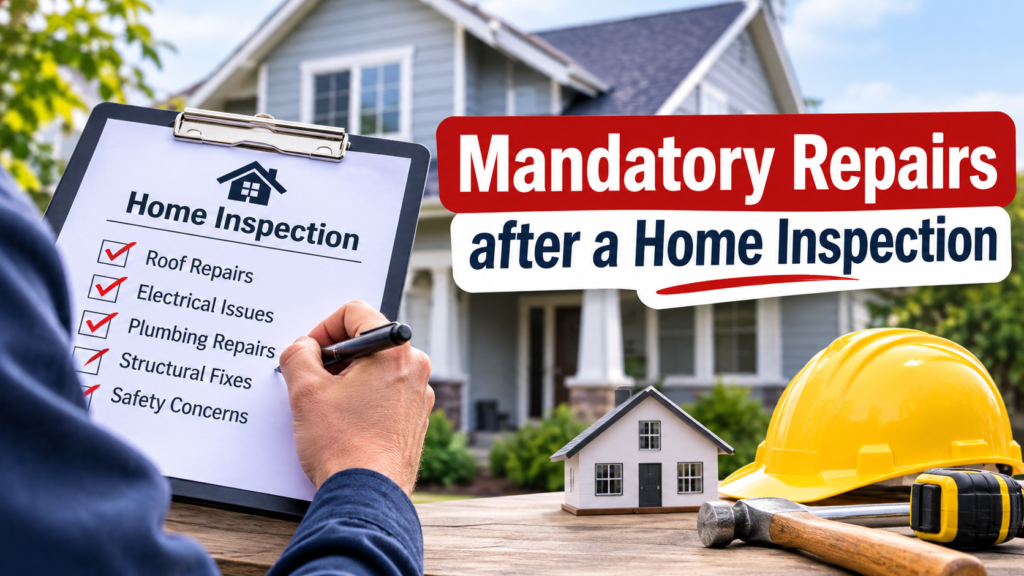
One point that surprises many buyers: a home inspection is not a pass-or-fail test. It’s a snapshot of the home’s condition at a moment in time, documented so you can make an informed decision.
Common Add-On Inspections and What They Add to Your Bill
Here are the extras Maryland buyers most often consider. Prices vary by inspector and property, so confirm exact fees when you book.
Radon Testing
Radon is a naturally occurring radioactive gas that can seep into homes from the soil. It’s invisible and odorless, and long-term exposure is a recognized health risk. Parts of Maryland have elevated radon potential, which is why many buyers add a test. Because radon levels can’t be judged by looking at a house, testing is the only way to know. Learn more on DeepSeek’s Radon Testing page.
Termite and Wood-Destroying Insect Inspection
Maryland’s climate is friendly to termites and other wood-destroying insects, and their damage often hides behind walls or under floors. Lenders sometimes require this inspection, and even when they don’t, it can save you from a costly surprise. See the Termite Inspection page for details.
Sewer Scope Inspection
A small camera is sent through the main sewer line to look for cracks, root intrusion, blockages, or collapsed sections. Sewer line repairs can run into the thousands, so many buyers of older homes consider this one of the best-value add-ons. Read more on the Sewer Scope Inspection page.
Mold Inspection
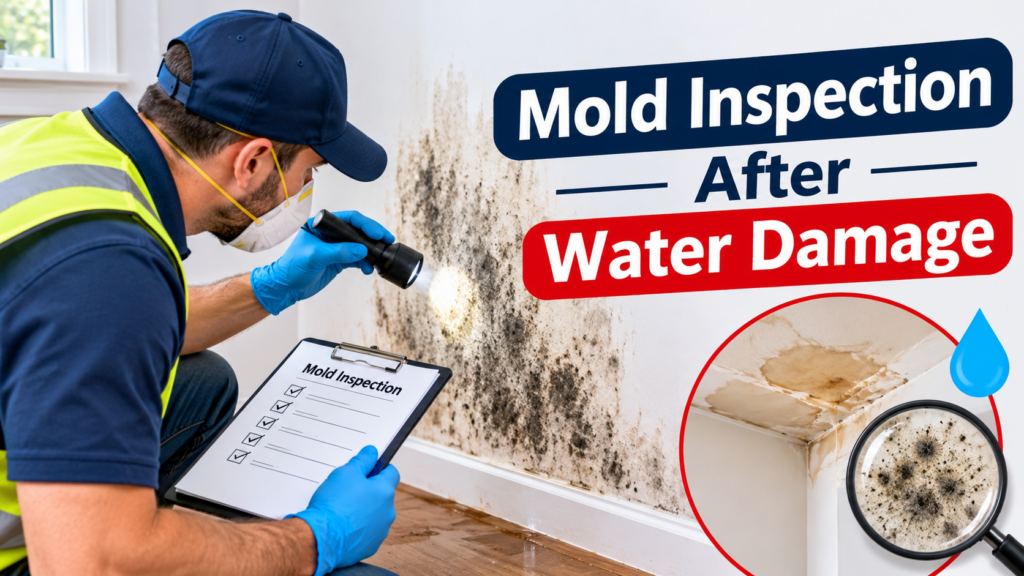
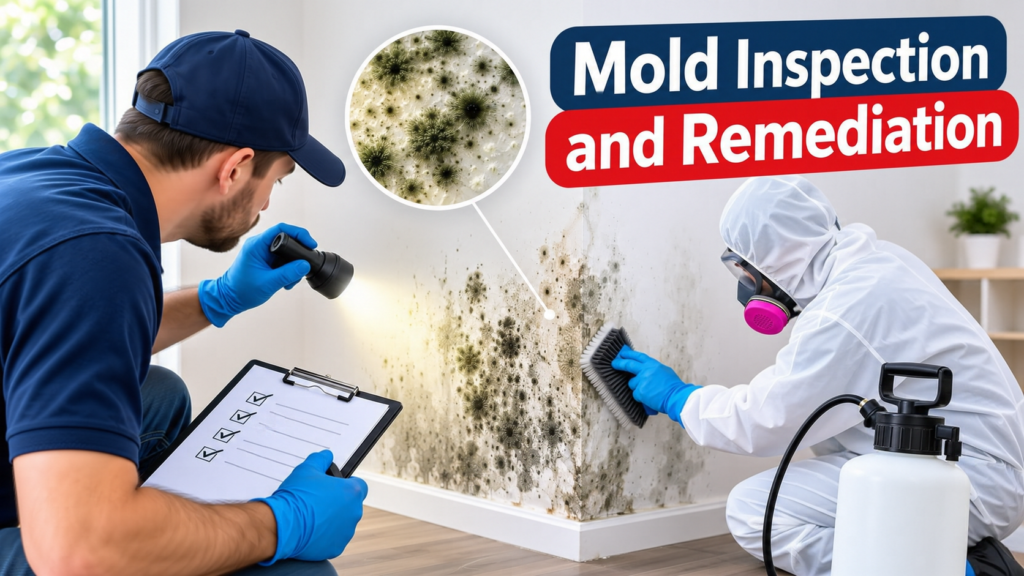
If you see staining, smell mustiness, or the inspector spots moisture concerns, a mold inspection can identify the problem and its likely source. Water issues in basements and crawl spaces are common in Maryland. Visit the Mold Inspection page.
Pool Inspection
Pools have their own equipment, safety features, and failure points. If the home has one, a separate Pool Inspection is worth considering.
Deck Inspection
Decks are a common source of injuries when they’ve aged or were built without proper fasteners. A focused Deck Inspection checks ledger attachment, railings, footings, and the condition of the wood.
Thermal Imaging Inspection
Infrared cameras can reveal hidden moisture, insulation gaps, and electrical hot spots that aren’t visible to the eye. Learn how it works on the Thermal Imaging Inspection page.
Pre-Drywall Inspection
If you’re buying new construction, this inspection happens before the walls are closed up. It’s your only chance to see framing, wiring, plumbing, and insulation before they’re covered. Find out more on the Pre-Drywall Inspection page.
You can browse everything in one place on the DeepSeek services page.
Who Pays for the Home Inspection in Maryland?
In most Maryland transactions, the buyer pays for the inspection. It’s usually due at the time of service, and it’s separate from your down payment and closing costs, so plan for it early in your budget.
Sellers sometimes order a pre-listing inspection too. It lets them find and fix problems before buyers do, set a realistic price, and avoid last-minute renegotiation. In a competitive market, a clean report can also build buyer confidence.
Are Home Inspections Required in Maryland?
No. Maryland doesn’t legally require a home inspection when you buy a home. But skipping one is risky, and most buyers do it. Most Maryland purchase contracts include an inspection contingency, which gives you a limited window to inspect the property and negotiate or walk away based on what’s found. That window is short, so schedule your inspector as soon as your offer is accepted.
If you’re not sure how to proceed, you can schedule an inspection right away to protect your timeline.
Is a Home Inspection Worth the Money?
Almost always, yes. Think about it in proportion. A home is likely the largest purchase you’ll ever make, and the inspection is a tiny fraction of that price.
What an inspection can do for you:
- Reveal hidden problems. Roof leaks, faulty wiring, and foundation movement aren’t always obvious during a showing.
- Give you negotiating power. A documented report can support requests for repairs, credits, or a price reduction.
- Help you budget. Even if nothing is a deal-breaker, you’ll know what maintenance is coming in the next few years.
- Provide peace of mind. You’ll understand the home you’re about to own.
How to Save Money Without Cutting Corners
Nobody likes overspending, but the cheapest inspection isn’t always the best deal. A rushed inspection that misses a failing roof or a leaking sewer line can cost you far more than the few hundred dollars you saved. Instead, try these smarter approaches:
- Get quotes from two or three licensed inspectors. Compare what each includes, not just the total.
- Bundle services. Booking a general inspection together with radon, termite, or sewer scope services in one visit can be more convenient and sometimes more economical.
- Prepare the home for access. Make sure the inspector can reach the attic, crawl space, electrical panel, and water heater. Delays and return trips can add cost.
- Skip add-ons you truly don’t need, but don’t skip the important ones. A sewer scope on a 60-year-old home is usually smart. A pool inspection on a home without a pool is unnecessary.
- Attend the inspection. You’ll learn more in two hours of walking through the home with the inspector than from reading any report.
What to Look for in a Maryland Home Inspector
Price matters, but these factors matter more:
- Valid Maryland license and professional certification
- Insurance coverage (errors and omissions, and general liability)
- Clear, photo-rich reports delivered quickly
- Experience with your type of home, whether that’s an older colonial, a new build, or a condo
- Good reviews and a willingness to answer questions, before and after the inspection
You can read about the team on the About Us page and meet the individual inspectors on the Inspector Profiles page.
Questions to Ask Before You Book
Before you hire anyone, ask:
- What exactly does your standard inspection include and exclude?
- How long will it take, and can I attend?
- When will I receive the report, and what format is it in?
- Do you offer radon, termite, sewer scope, or mold services, and how do you price them?
- Are you licensed and insured in Maryland?
A good inspector will welcome these questions. For more common answers, check the FAQ page.
Final Thoughts
So, how much is a home inspection in Maryland? For most buyers, expect roughly $300 to $600 for a standard inspection, with add-ons raising the total depending on what your home needs. Larger, older, and more complex properties will land at the higher end.
The real value isn’t in the number on the invoice, though. It’s in what you learn before you commit to a purchase. A thorough inspection from a licensed, experienced professional helps you buy with confidence, negotiate with facts, and avoid expensive surprises after closing.
Ready to find out what your inspection would cost? Contact DeepSeek Home Inspections for a personalized quote, call (667) 254-8886, or schedule your inspection online. Whether you’re buying in Howard County, Montgomery County, or anywhere in between, the team is ready to help.