Buying a home is probably the biggest purchase you will ever make. You fall in love with the kitchen, the backyard, the light in the living room, and it is easy to forget that a house is also a complicated machine made of structure, plumbing, wiring, and mechanical systems, all quietly aging behind the walls. A professional home inspection is how you find out what that machine is really doing before you sign on the dotted line.
This guide explains what a professional home inspection covers, what it costs you not to have one, how to choose a good inspector, and how to use the report once it lands in your inbox. Whether you are a first-time buyer, a seasoned investor, or a seller who wants to avoid surprises, the goal is the same: make decisions with clear eyes.
What Is a Professional Home Inspection?
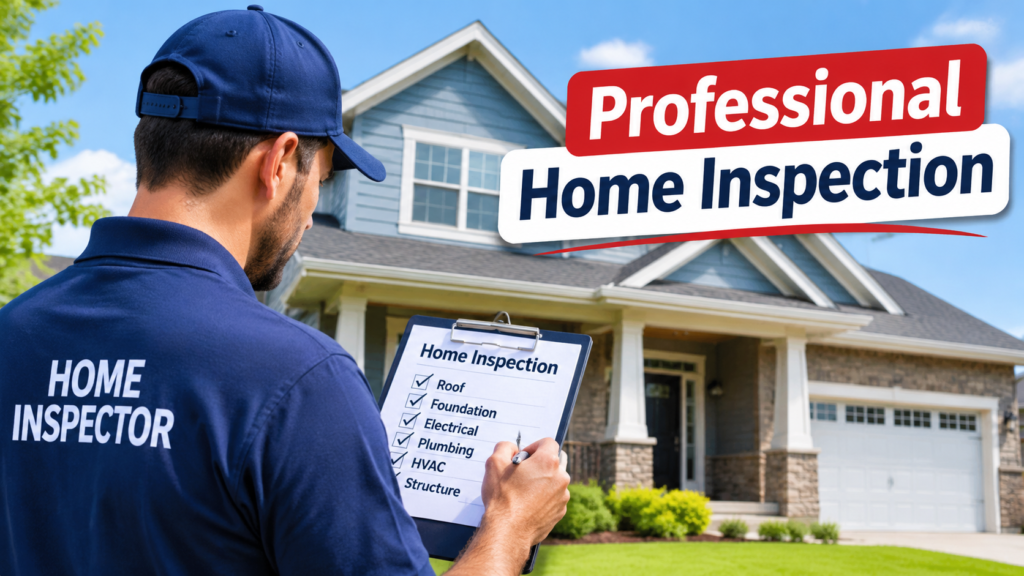
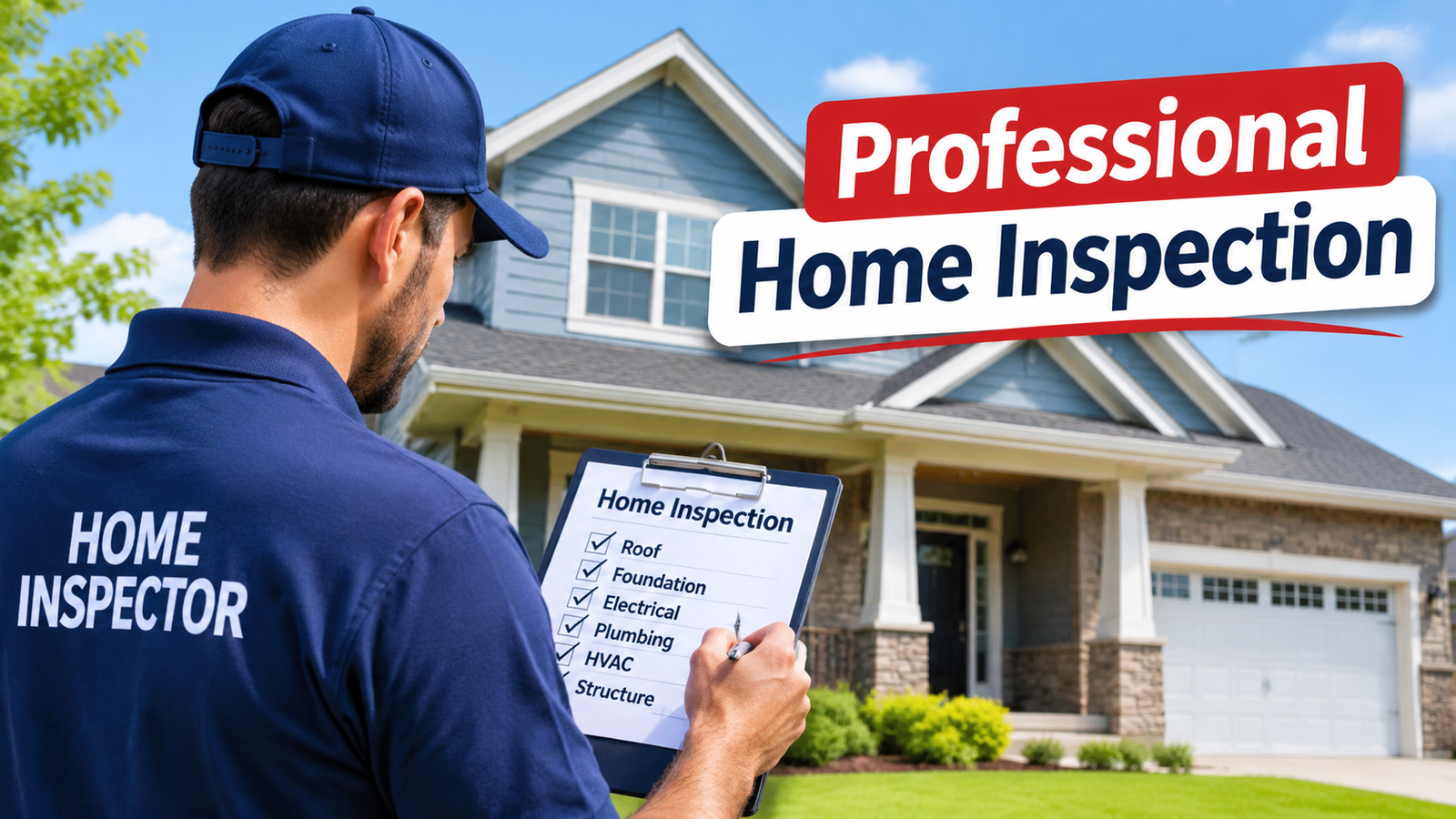
A professional home inspection is a non-invasive, visual examination of a property’s major systems and components, carried out by a trained and qualified inspector. The inspector walks the property from the roof to the foundation, tests what can safely be tested, and documents the condition of everything they can see and reach. The result is a written report, usually with photos, that tells you what is working, what is worn out, and what needs attention.
It is important to understand what an inspection is not. It is not an appraisal, which estimates market value for a lender. It is not a code-compliance check, and it is not a guarantee that nothing will ever go wrong. Think of it as a snapshot of the home’s condition on the day of the inspection, delivered by someone whose only job is to look closely and tell you the truth.
If you want to see how a thorough, buyer-focused inspection is delivered in practice, the team at Deepseek Home Inspections builds its process around exactly that idea: clear findings, plain language, and no pressure.
Why a Home Inspection Matters More Than You Think
Most buyers know they “should” get an inspection. Fewer understand how much is really at stake. Here are the main reasons it is worth every penny.
1. It protects you from expensive surprises
A failing roof, a cracked foundation, outdated wiring, or a slow plumbing leak can each cost thousands of dollars to fix. Many of these problems are invisible during a casual showing. A trained inspector knows where to look and what the early warning signs are, so a five-figure problem is found before closing instead of after move-in.
2. It gives you negotiating power
The inspection report is a practical tool at the bargaining table. If significant issues turn up, you can ask the seller to make repairs, offer a credit, or reduce the price. Even when you decide to move forward as-is, you will know exactly what you are buying and can budget accordingly.
3. It helps you spot safety hazards
Some of the most important findings are not about money at all. Carbon monoxide risks, faulty electrical panels, missing smoke detectors, unsafe stairs, and gas leaks threaten the people who will live in the house. A professional inspection puts those risks on paper where they cannot be ignored.
4. It gives you a maintenance roadmap
Even a healthy home needs care. A good report tells you which systems are near the end of their service life and which ones will need attention in the next few years. That turns the inspection into a long-term planning tool, not just a pre-purchase hurdle.
5. It brings peace of mind
There is real value in walking into closing day knowing the home has been examined by an independent professional. If the report is clean, you can celebrate with confidence. If it is not, you have time to decide what to do.
What Does a Professional Home Inspector Actually Check?
Scope can vary by inspector and by state, but a comprehensive inspection typically covers the following areas.
Roof and Attic
The inspector looks at roofing material, flashing, gutters, downspouts, and signs of leaks or damage. In the attic, they check insulation levels, ventilation, evidence of moisture, and any signs of pests. Roofs are expensive to replace, so understanding remaining lifespan is crucial.
Exterior and Grounds
Siding, trim, windows, doors, decks, porches, driveways, and walkways are all examined. Just as important is drainage: the inspector checks whether the grading slopes away from the house, because water pooling near the foundation is one of the most common causes of long-term damage.
Foundation and Structure
Cracks, settling, bowing walls, sagging floors, and moisture in basements or crawl spaces are all red flags. Not every crack is serious, but a professional can tell the difference between cosmetic shrinkage and a structural concern that deserves a specialist’s opinion.
Plumbing
The inspector checks visible pipes, water pressure, drainage, fixtures, water heaters, and signs of leaks or corrosion. Older materials such as galvanized steel or polybutylene piping can signal future trouble.
Electrical System
The main panel, breakers, wiring, grounding, outlets, and GFCI or AFCI protection are reviewed. Outdated or DIY electrical work is among the most common and most serious findings in older homes.
Heating and Cooling
Furnaces, heat pumps, air conditioners, ductwork, thermostats, and filters are tested and evaluated. The inspector notes the age of the equipment and any signs of poor maintenance, because replacing a major HVAC system is a significant expense.
Interior
Walls, ceilings, floors, stairs, doors, windows, and built-in appliances are inspected. Water stains, uneven floors, sticking doors, and cracked ceilings can all point to deeper issues that the surface hides.
Insulation and Ventilation
Proper insulation and airflow affect energy bills, comfort, and moisture control. Poor ventilation can lead to mold, rot, and premature wear on roofing materials.
Common Problems Inspectors Find
No two homes are identical, but certain issues come up again and again. Knowing them helps you read the report with the right perspective.
- Water intrusion and moisture: leaks, damp basements, poor drainage, and failing seals around windows or roofs.
- Electrical defects: overloaded panels, ungrounded outlets, exposed wiring, and unpermitted modifications.
- Aging roofs: missing shingles, worn flashing, and deferred maintenance.
- HVAC neglect: dirty systems, end-of-life equipment, and poor airflow.
- Plumbing issues: slow drains, leaking fixtures, and old supply lines.
- Pest evidence: termites, rodents, or carpenter ants, often connected to moisture problems.
- Safety omissions: missing smoke or carbon monoxide detectors, loose railings, and trip hazards.
Finding problems does not mean a home is a bad purchase. Almost every house has something. What matters is the severity, the cost to fix, and whether the price reflects reality.
What Does a Home Inspection Cost?
Pricing depends on the size, age, and location of the property, as well as the scope of the inspection and any add-on services. A modest condo costs less than a large, older house with a basement and outbuildings. Add-ons such as radon testing, mold sampling, sewer line scopes, or thermal imaging may cost extra.
It helps to put the fee in perspective. An inspection usually costs a small fraction of one percent of the purchase price, yet it can reveal issues worth many times that amount. For a detailed quote that fits your property, you can request an estimate from Deepseek Home Inspections and discuss which services make sense for your situation.
How to Choose a Professional Home Inspector
Not all inspectors are equal, and the quality of your report depends heavily on the person who writes it. Keep these points in mind when comparing options.
Check credentials and licensing
Many states require inspectors to be licensed, and reputable professionals often belong to recognized industry associations and follow a code of ethics and standards of practice. Ask what training they have completed and whether they carry errors and omissions insurance.
Look at experience
An inspector who has examined thousands of homes has seen patterns that newer inspectors may miss. Ask how long they have been in business and whether they have experience with homes similar to yours, such as older properties, new construction, or multi-family buildings.
Review a sample report
A good report is organized, detailed, and easy to read. Look for clear photos, specific descriptions, and prioritized recommendations rather than vague, jargon-filled notes. If a sample report confuses you, the real one probably will too.
Ask about turnaround time
Real estate contracts have deadlines. Choose an inspector who delivers the report promptly, ideally within twenty-four hours, so you have time to negotiate or consult contractors.
Read reviews and ask for references
Past clients and local real estate professionals are valuable sources of honest feedback. Pay attention to comments about communication, thoroughness, and willingness to answer questions after the inspection.
Make sure they are independent
Your inspector should work for you and only you. Be cautious of any arrangement that gives them a financial stake in whether a deal closes.
If you are comparing local providers, you can learn more about the inspection services offered by Deepseek Home Inspections and see whether their approach matches what you are looking for.
How to Prepare for Inspection Day
A little preparation makes the process smoother and more valuable.
For buyers: Attend the inspection if you can. Walking the property with the inspector is the best education you will ever get about your future home. Ask questions, take notes, and look at the issues in person instead of relying on photos alone.
For sellers: Make sure the inspector can access the attic, crawl space, electrical panel, water heater, and utility areas. Replace burned-out bulbs, fix obvious minor problems, and have documentation of repairs and maintenance ready. A clean, accessible home signals care and often leads to a smoother inspection.
Both parties should be sure utilities are on, since the inspector needs to test systems such as heating, cooling, plumbing, and appliances.
How to Read and Use Your Inspection Report
Receiving a long report full of findings can feel overwhelming. Here is a calm way to approach it.
Separate the major from the minor
Most reports contain dozens of small items such as loose handles, worn caulk, or missing outlet covers. These are normal. Focus your attention on the big categories: structure, roof, moisture, electrical, plumbing, HVAC, and safety.
Understand the difference between defects and maintenance
A defect is something that is not working correctly or poses a risk. Maintenance items are routine upkeep that every homeowner will face. Do not let a long list of maintenance notes scare you away from a good house.
Get specialist opinions when needed
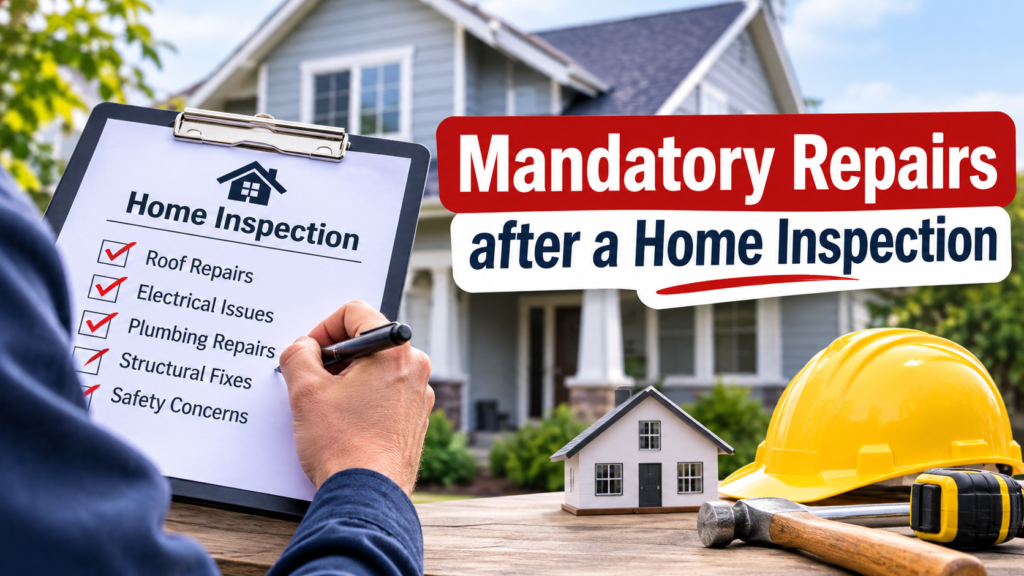
If the inspector recommends further evaluation by a structural engineer, roofer, electrician, or plumber, take that advice seriously. Specialists can provide accurate repair estimates, which give you hard numbers for negotiation.
Decide what to request from the seller
Prioritize safety issues and costly repairs. Ask for repairs, credits, or price adjustments that reflect real costs, and consider consulting your real estate agent about what is reasonable in your market. Trying to negotiate every cosmetic flaw can backfire and weaken your position on the items that matter most.
Plan for the future
Use the report to build a maintenance calendar and a repair budget. Knowing that the water heater is ten years old or that the roof has five years left lets you save ahead instead of scrambling later.
Home Inspections for Sellers: A Smart Pre-Listing Move
Inspections are not only for buyers. A pre-listing inspection allows sellers to discover problems before the home goes on the market. You can fix issues on your own schedule, price the home accurately, and avoid last-minute renegotiations that can derail a sale. Providing a clean inspection report to buyers also builds trust and can help your listing stand out.
Sellers who want to get ahead of the process can schedule a pre-listing inspection through Deepseek Home Inspections and walk into negotiations fully informed.
Other Inspections Worth Considering
A general inspection covers a lot, but some situations call for extra testing.
- Radon testing: radon is a naturally occurring gas that can build up in homes and is a leading cause of lung cancer.
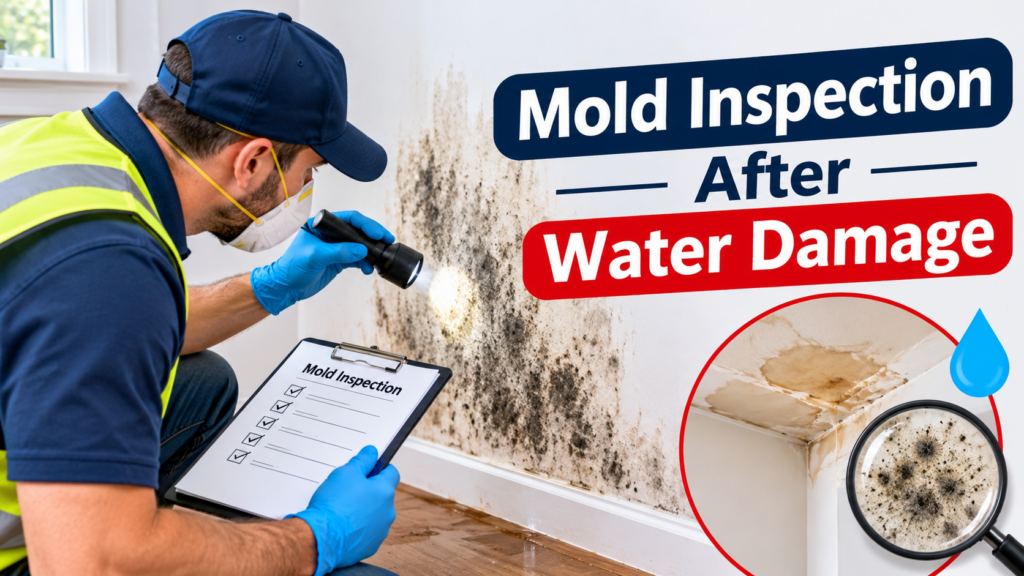
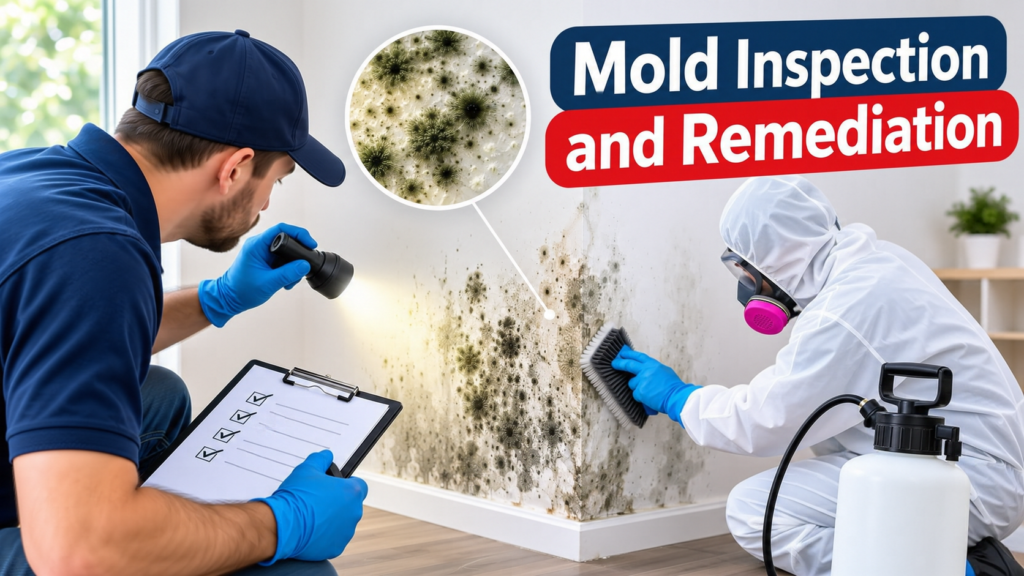
- Mold inspection: useful when there is a musty smell, visible growth, or a history of water damage.
- Sewer scope: a camera inspection of the main sewer line can reveal cracks, root intrusion, or collapses that are otherwise invisible.
- Termite or wood-destroying insect inspection: often required by lenders and critical in regions with active termite populations.
- Thermal imaging: detects hidden moisture, insulation gaps, and electrical hot spots without cutting into walls.
- Well and septic inspections: essential for rural properties that are not on municipal systems.
Asking your inspector which add-ons make sense for your specific property is one of the smartest questions you can ask.
Common Myths About Home Inspections
“New construction does not need an inspection.” New homes can have construction mistakes, missed details, and shortcuts. An independent inspection before closing, and again before the builder’s warranty expires, is a wise investment.
“A passing inspection means the house is perfect.” There is no pass or fail. The report describes condition, and every house, old or new, has items to address.
“The seller’s inspection is enough.” A seller’s report is useful, but it was not commissioned by you. An independent inspection for your own purchase ensures the findings are unbiased.
“Inspectors can see everything.” Inspections are visual and limited to accessible areas. They cannot see inside walls, under finished floors, or behind locked spaces, which is why scope and honest communication matter.
“I can skip it to win a competitive bid.” Waiving an inspection may make an offer look attractive, but it also means taking on every hidden problem. If speed is essential, consider a shortened inspection window rather than none at all.
Final Thoughts
A professional home inspection is one of the most valuable steps in any real estate transaction. It protects your finances, safeguards your family, strengthens your negotiating position, and gives you a roadmap for caring for your property over the years. The small cost and a few hours of your time can prevent regrets that last for a decade.
When you choose an inspector, look for credentials, experience, clear reporting, and a genuine willingness to explain what they find. Show up, ask questions, read the report carefully, and use it to make a confident decision.
Ready to take the next step? Visit Deepseek Home Inspections to learn about their services and book a professional inspection that gives you the clarity you need before you buy, sell, or maintain your home.