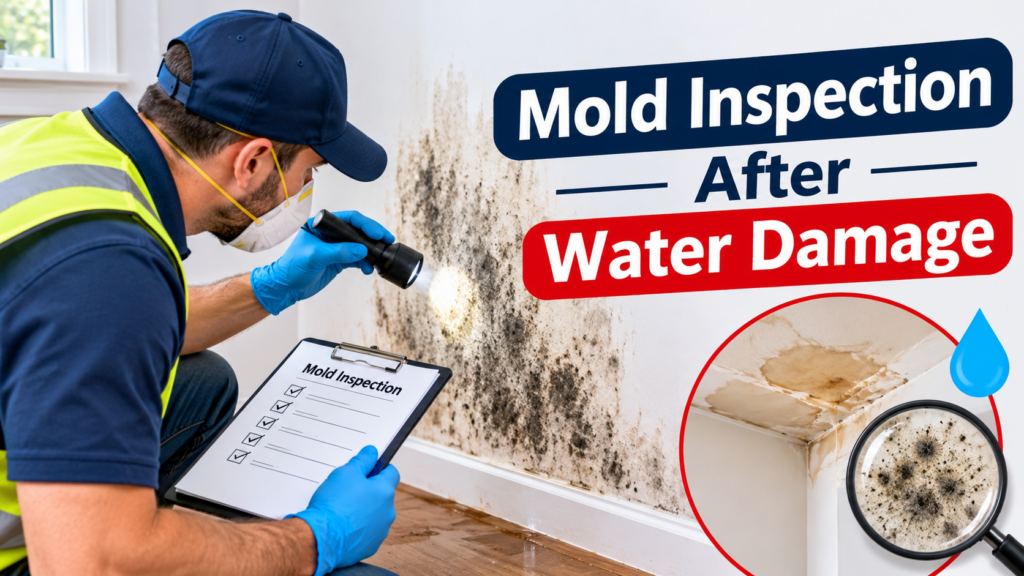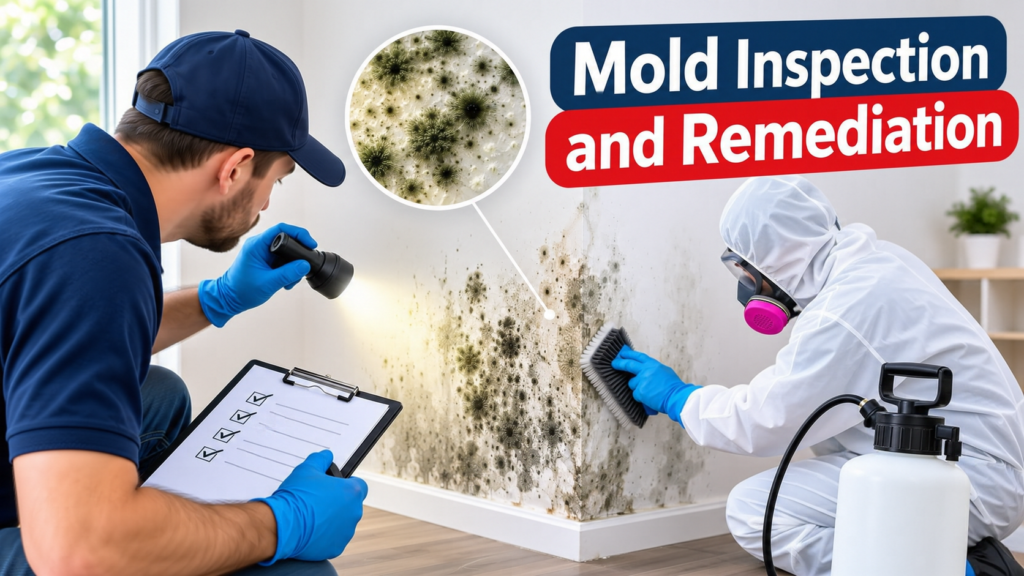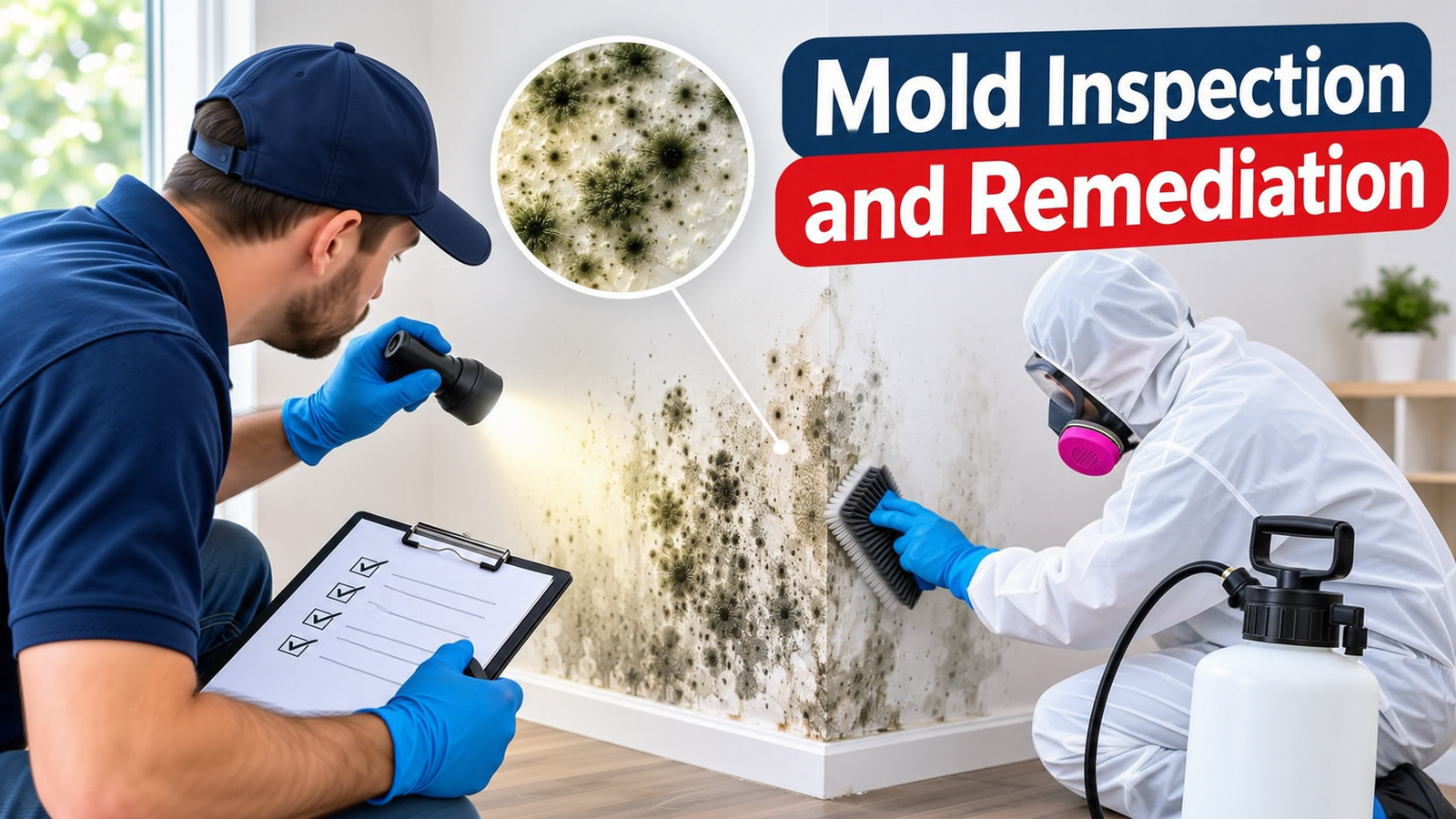
You notice a musty smell in the basement, or a dark patch in the corner of the bathroom ceiling that wasn’t there last month. Maybe you’re buying a house, and something in the listing photos looks a little off. Whatever brought you here, you’re probably wondering the same thing: is this serious, and what do I do about it?
This guide explains how mold inspection and remediation work, what they cost in time and effort, and how to tell a small nuisance from a real problem. The goal is to help you make calm, informed decisions instead of panicking or ignoring it.
Why Mold Is More Than a Cosmetic Problem
Mold is a fungus. It’s everywhere, outdoors and indoors, and tiny spores drift through almost every home. A few spores aren’t the issue. The trouble starts when those spores land on a damp surface and have something to eat. Drywall paper, wood framing, carpet, insulation, and even dust all qualify.
Once mold finds moisture, it moves fast. It can begin growing within a day or two of a leak or flood, and it keeps spreading as long as the area stays damp.
The health effects vary a lot from person to person. Some people notice nothing. Others get congestion, coughing, itchy eyes, skin irritation, or flare-ups of asthma and allergies. Children, older adults, and anyone with a weakened immune system or a respiratory condition tend to be more sensitive. If someone in your household keeps feeling worse at home and better when they leave, hidden moisture is worth investigating.
There’s a structural side too. Mold feeds on organic materials, and the moisture that feeds it often damages those materials at the same time. Left alone, a slow leak can rot framing, ruin subfloors, and quietly turn a small repair into a major one.
Where Mold Likes to Hide
Visible mold is only part of the story. The most expensive cases usually involve growth you can’t see. Common hiding places include:
- Behind walls and under flooring, especially near plumbing lines, water heaters, and washing machines
- Attics, where roof leaks, poor ventilation, or bathroom fans venting into the attic space create ideal conditions
- Crawl spaces and basements, which often have high humidity, poor drainage, or both
- Around windows, where condensation or failed seals let moisture seep in
- Inside HVAC systems and ductwork, particularly if drain pans clog or insulation gets wet
- Bathrooms and kitchens, where steam and small leaks under sinks go unnoticed for months
Clues that suggest hidden mold include a persistent earthy or musty odor, peeling paint or bubbling wallpaper, warped baseboards, ceiling stains with rings around the edges, and recurring condensation on windows. Any of these deserves a closer look, even if you can’t spot a single spot of mold.
What a Professional Mold Inspection Actually Involves
A good mold inspection is mostly detective work. The inspector isn’t just looking for mold. They’re looking for the reason mold is there, because that’s what determines whether it comes back.
A typical inspection includes several steps.
A visual assessment. The inspector walks the property, inside and out, checking for visible growth, water stains, damaged materials, and signs of past leaks. They look at roof lines, gutters, grading, and drainage, since water that enters from outside is a frequent culprit.
Moisture detection. Moisture meters measure how wet materials are, even behind the surface. This is how an inspector can flag a damp wall that looks perfectly dry.
Thermal imaging. Infrared cameras show temperature differences that often point to hidden moisture. Wet materials hold and release heat differently than dry ones, so they show up on the scan. It’s a non-invasive way to find trouble spots without cutting into walls. If you’re curious about how this works, DeepSeek Home Inspections offers thermal imaging inspections that can complement a mold evaluation.
Sampling, when it makes sense. Depending on the situation, an inspector may recommend air or surface samples to identify the type and concentration of mold. Sampling isn’t always necessary. If mold is plainly visible, you generally know what you’re dealing with. Sampling is more useful when there’s an odor or health complaint but no visible source, or when you need documentation for a real estate transaction or insurance claim.
A written report. You should come away with a clear explanation of what was found, where, how severe it appears, and what’s feeding it. A solid report includes photos and practical next steps, not just jargon.
If you’re in Maryland and want an inspection that covers visible mold and moisture concerns, you can learn more about the mold inspection service offered by DeepSeek Home Inspections.
Should You Test First or Call a Remediator First?
This is one of the most common questions, and the answer matters.
In general, inspection and remediation should be handled by different parties. An independent inspector has no financial stake in selling you a big cleanup job. They simply tell you what’s going on. A remediation company then follows a clear scope of work. Mixing the two roles isn’t always a problem, but separating them gives you an unbiased picture and a way to verify the work afterward.
If the mold is small and obvious, like a patch of surface growth on a bathroom wall from a leaky fan, you may be able to handle it yourself. If it’s larger, recurring, or tied to a water source you can’t identify, get an inspection first. Guessing wastes money.
When You Can Clean It Yourself, and When You Shouldn’t
The U.S. Environmental Protection Agency offers a widely used rule of thumb: small areas of mold, roughly ten square feet or less (about a three-by-three-foot patch), can often be handled by a homeowner. Larger areas generally call for professional help.
For a small, surface-level problem on a hard material, the basics look like this:
- Fix the moisture problem first. Cleaning without fixing the leak is a temporary solution at best.
- Protect yourself. Wear an N95 respirator, gloves, and eye protection.
- Clean with detergent and water. Scrub the surface and dry it thoroughly. Despite popular belief, bleach usually isn’t necessary, and it doesn’t solve the underlying moisture problem.
- Dry everything completely within a day or two.
- Toss porous materials that are heavily affected, such as ceiling tiles, carpet padding, or soaked insulation. Mold can embed in these and can’t be fully cleaned out.
Call a professional instead if any of these apply:
- The affected area is larger than about ten square feet
- The mold keeps returning after you clean it
- You suspect it’s inside walls, ceilings, or the HVAC system
- The mold followed sewage backup or contaminated floodwater
- Someone in the home has asthma, a compromised immune system, or other serious health concerns
- You can’t find or stop the source of moisture
Disturbing mold carelessly can release spores into the air and spread the problem to clean areas. That’s one of the biggest mistakes people make when they tackle a large job on their own.
How Professional Mold Remediation Works
Remediation is the process of removing mold and, just as importantly, correcting the conditions that allowed it to grow. Reputable contractors generally follow a structured process.
1. Containment
Before any cleanup begins, the work area is isolated using plastic sheeting and negative air pressure. This keeps disturbed spores from drifting into the rest of the house. Air scrubbers fitted with HEPA filters run during the work to capture airborne particles.
2. Removing Contaminated Materials
Porous materials with significant growth, like drywall, insulation, and carpet, are typically cut out, bagged, and removed. Workers wear protective gear and take care not to tear or shake materials in ways that scatter spores.
3. Cleaning and Treating Surfaces
Structural materials that can be saved, like wood framing, get cleaned using HEPA vacuuming and damp wiping, and sometimes sanding or other mechanical methods. The point is to physically remove mold, not just kill it, since dead mold can still cause allergic reactions.
4. Drying
Fans and dehumidifiers bring moisture levels back to normal. This step is easy to rush, and rushing it is a classic reason mold returns.
5. Repair and Rebuilding
Once everything is clean and dry, removed materials are replaced. This may involve new drywall, insulation, flooring, and paint.
6. Post-Remediation Verification
A good project ends with confirmation that the job worked. An independent inspector rechecks moisture levels and, when appropriate, takes samples to confirm the area meets acceptable conditions. This step protects you. It’s the difference between “we say it’s done” and “it’s been verified.”
Fixing the Source: The Part That Prevents a Repeat
You can clean mold perfectly and still have it back in a few months if the water problem remains. Remediation only succeeds when the moisture source is corrected. Typical fixes include:
- Repairing roof or plumbing leaks and replacing damaged flashing, seals, or pipes
- Improving drainage by extending downspouts, cleaning gutters, and grading soil away from the foundation
- Adding or upgrading ventilation, including bathroom fans that vent outdoors rather than into the attic
- Controlling humidity, ideally keeping indoor levels below about 50 percent, using dehumidifiers where needed
- Sealing and insulating crawl spaces to reduce ground moisture
- Servicing HVAC systems so drain lines and pans stay clear
In some homes, the moisture comes from conditions that are harder to spot, such as a failing sewer line or soil gases entering the structure. Related issues like radon testing or a sewer scope inspection can sometimes round out the picture of what’s happening beneath and around the home.
Mold and Real Estate: What Buyers and Sellers Should Know
Mold comes up often during home sales, and it can make people nervous. Here’s a more grounded way to think about it.
If you’re buying, a general inspection is a smart baseline. A general home inspection examines the roof, foundation, plumbing, electrical, HVAC, and more, and it often reveals the water issues that lead to mold. If the inspector notes staining, musty odors, or high moisture readings, a dedicated mold inspection can answer the follow-up questions. Finding mold doesn’t automatically mean walking away. It means understanding the scope, getting repair estimates, and negotiating accordingly.
If you’re selling, a pre-listing inspection lets you discover and deal with problems on your own timeline, rather than under the pressure of a buyer’s deadline. Fixing a leak and drying out a basement before listing is usually far cheaper and less stressful than renegotiating after a buyer’s inspector flags it.
If you’re building a new home, a pre-drywall inspection lets you check framing, plumbing, electrical, and moisture protection before everything gets closed up behind walls. Catching a flashing mistake or a wet framing member at this stage prevents mold problems years down the road.
In Maryland, home inspections aren’t legally required for a sale, but they’re strongly recommended. In a region with humid summers, older housing stock, and plenty of basements, moisture control deserves real attention.
Seasonal and Regional Factors
Maryland’s climate gives mold plenty of opportunities. Hot, humid summers push indoor moisture levels up, especially in homes with older or undersized air conditioning. Heavy storms test roofs, gutters, and foundations. Winter brings its own risks, since warm indoor air meeting cold surfaces creates condensation on windows and in attics.
Homes in low-lying or poorly drained areas often struggle with basement dampness. Older homes may have outdated ventilation or aging plumbing. Newer, tightly sealed homes can trap humidity if ventilation isn’t balanced. None of this means mold is inevitable. It just means paying attention to moisture year-round, not only after a visible leak.
If you’re searching for local help, DeepSeek Home Inspections serves homeowners throughout the state, including Howard County, Montgomery County, Anne Arundel County, Baltimore County, Frederick County, and Prince George’s County. You can see the full list of service areas across Maryland on their site.
How to Choose a Qualified Inspector or Remediator
Not every provider is equal, and mold work isn’t something to hand to the cheapest bidder. A few questions help separate the careful from the careless.
For inspectors:
- What training and certifications do you hold?
- What does your inspection cover, and do you use moisture meters and thermal imaging?
- Will I receive a written report with photos?
- Do you also perform remediation? (Independence is usually a plus.)
For remediation contractors:
- Do you follow recognized industry standards for mold remediation?
- Can you provide a written scope of work and a clear estimate?
- How will you contain the work area?
- Will you address the moisture source, or only the visible mold?
- Do you carry insurance, and will you support post-remediation verification?
Be cautious of anyone who promises to “eliminate all mold forever.” That isn’t realistic, because mold spores are a normal part of the environment. The real goal is returning your home to normal, low spore levels and keeping moisture under control. Also be wary of high-pressure sales tactics or quotes that arrive without anyone actually inspecting the problem.
Costs and Insurance: What to Expect
Costs vary widely depending on the size of the affected area, accessibility, the type of materials involved, and how much rebuilding is required. A small, contained job costs far less than one involving an entire basement or attic. A professional assessment is the best way to get a realistic number for your situation.
On insurance, coverage depends heavily on the policy and the cause. Many policies cover mold resulting from a sudden, covered event, like a burst pipe, but exclude mold from long-term neglect or ongoing humidity. Read your policy, document everything with photos and written reports, and report water damage promptly. Delays can weaken a claim.
Preventing Mold Before It Starts
Prevention is almost always cheaper than remediation. A simple routine goes a long way:
- Fix leaks quickly. Dry any wet material within 24 to 48 hours.
- Run exhaust fans during and after showers and while cooking.
- Keep humidity in check with a hygrometer and a dehumidifier if needed.
- Clean gutters and make sure water flows away from the foundation.
- Inspect under sinks, around appliances, and near water heaters every few months.
- Don’t let wet items sit. Damp towels, soaked boxes, and wet carpet all invite growth.
- Maintain your HVAC system and change filters regularly.
- Open windows or use ventilation in tightly sealed homes to keep air moving.
Think of these habits as inexpensive insurance. A few minutes of attention each month can save thousands later.
The Bottom Line
Mold inspection and remediation aren’t about fear. They’re about finding where moisture is getting in, understanding how far the problem has spread, and fixing it properly so it stays fixed. A thorough inspection tells you what you’re dealing with. Good remediation removes the growth safely. And correcting the water source is what makes the result last.
If you suspect mold in your home, or you’re about to buy or sell a property and want peace of mind, getting a professional opinion early is almost always the smartest move. Learn more about the mold inspection service, browse the full list of inspection services, or schedule an inspection with DeepSeek Home Inspections. You can also contact the team with questions or visit the FAQ page for quick answers.