You open the inspection report and it’s 60 pages long. There are photos of a rusty water heater, a cracked flue pipe, and a note about “evidence of moisture” in the crawl space. The next question is almost always the same: what do I actually have to fix?
The answer surprises most people. In most home sales, no repair is automatically mandatory just because an inspector wrote it down. A home inspection is an information tool. It doesn’t pass or fail a house. What becomes mandatory depends on your contract, your lender, your local code, and plain safety.
This guide walks through each of those, so you know which items to push on, which to negotiate, and which to let go.
First, a Reality Check: Inspections Don’t Pass or Fail
A home inspection doesn’t come with a grade. Your inspector documents the condition of the roof, foundation, electrical, plumbing, HVAC, and more. They flag defects and safety concerns, but they can’t force anyone to fix anything.
In Maryland, home inspections aren’t legally required for a sale either. They’re strongly recommended, which is why most buyers schedule one. If you haven’t yet, a general home inspection is the foundation of every good purchase decision.
So when people ask about “mandatory fixes,” what they usually mean is one of four things:
- Repairs your purchase contract requires
- Repairs your lender requires before funding
- Repairs required by law or local code
- Repairs that are too dangerous or expensive to ignore
Let’s take them one at a time.
1. Repairs Required by Your Purchase Contract
The contract is where most “mandatory” repairs are born. In a typical Maryland sale, the buyer has an inspection contingency, a window of days to inspect and respond. During that window, the buyer can:
- Ask the seller to make specific repairs
- Ask for a credit at closing
- Ask for a price reduction
- Accept the home as is
- Walk away, if the contingency allows
Nothing is mandatory until both sides agree. Once the seller signs a repair addendum, though, those repairs become binding. The seller then has to complete them, usually with receipts, permits where needed, and sometimes a follow-up inspection.
If you’re a buyer, specificity matters. “Fix the electrical problems” is vague. “Replace the double-tapped breakers and the ungrounded outlets in the kitchen, using a licensed electrician, with paperwork provided before closing” is enforceable.
2. Repairs Required by Your Lender
If you’re financing the purchase, your lender has a stake in the condition of the house, because the house is their collateral. This is the second big source of mandatory repairs.
An appraiser may flag conditions that must be corrected before the loan can close. Government-backed loans like FHA and VA are known for stricter property standards. Typical lender-driven repair items include:
- Peeling or chipping paint on older homes (lead-paint concerns)
- Roofs near the end of their life or actively leaking
- Missing handrails or unsafe stairs
- Broken windows or damaged doors that don’t secure
- Non-working heating, missing water heater safety valves, or a lack of hot water
- Exposed wiring or missing electrical covers
- Wood-destroying insect activity, where a termite report is requested
That last one is common in the Mid-Atlantic. If your lender or contract calls for a wood-destroying insect report, a dedicated termite inspection is how you get it, and any active infestation or structural damage usually has to be addressed before closing.
Because requirements vary by loan type and lender, ask your loan officer for their specific property condition requirements early. Waiting until the week of closing is how deals fall apart.
3. Repairs Required by Law or Local Code
Some conditions carry legal weight regardless of what the buyer and seller negotiate. Examples include:
- Smoke and carbon monoxide alarms. Many jurisdictions require working alarms at the time of sale or occupancy. Rules vary by county and municipality, so confirm what applies to your property.
- Unpermitted work. A finished basement, deck, or addition built without permits can create real problems. Some counties may require permits to be obtained retroactively, and that can mean opening walls.
- Dangerous conditions flagged by a code official. If a building inspector or municipal authority cites a violation, it has to be resolved.
- Pool barriers and safety features. Pools often have fencing, gate latch, and drain requirements. A pool inspection can spot gaps before they become liability.
If you’re unsure whether something is a code issue, ask your county permitting office or a licensed contractor. Don’t assume the inspector’s note makes it a legal requirement, and don’t assume it doesn’t.
4. Repairs You Can’t Responsibly Skip
This is the category that matters most, because even when no contract, lender, or law forces your hand, some problems simply shouldn’t be left alone. They threaten your safety, your health, or the structure of the house. Here are the big ones.
Electrical hazards
Anything that can cause a shock or fire belongs at the top of your list. That includes:
- Aluminum branch wiring or recalled panels
- Double-tapped or overheating breakers
- Missing GFCI protection near water
- Open junction boxes, scorched outlets, or ungrounded circuits
- Amateur wiring jobs
Electrical issues should be corrected by a licensed electrician, not by a handy relative.
Gas, combustion, and carbon monoxide
A cracked heat exchanger, a disconnected flue, a gas leak, or a poorly vented water heater can put your household at risk of carbon monoxide poisoning. These are always urgent. Don’t treat them as negotiable.
Structural problems
Foundation cracks that are wide, stair-stepped, or actively shifting, sagging floors, bowing walls, and damaged beams or joists deserve a structural engineer’s opinion before you commit to anything. Hairline shrinkage cracks are common and usually harmless. Movement is not.
Active water intrusion and roof damage
Water is the slow-motion enemy of every house. Leaks, failed flashing, damaged shingles, clogged or poorly pitched drainage, and wet crawl spaces can rot framing and feed mold. Fixing the source of the water matters more than patching the stain on the ceiling.
Mold and moisture
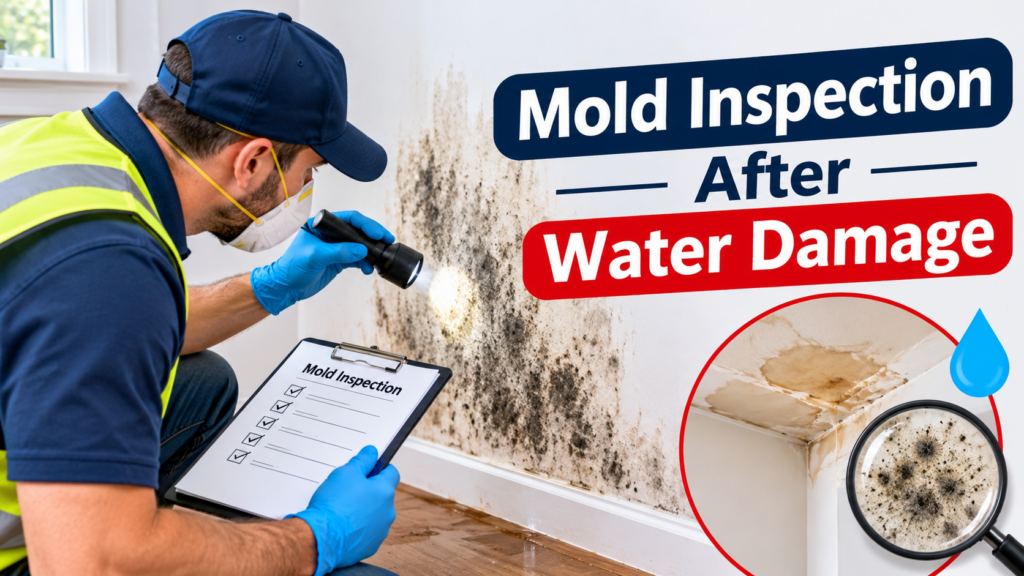
Visible mold or persistent moisture is both a health concern and a sign of a larger water problem. A mold inspection can help determine how widespread it is and where the moisture is coming from. Treating mold without fixing the water source just buys you a repeat problem.
Radon
Radon is a naturally occurring radioactive gas that can build up in homes, and it’s invisible and odorless. The only way to know your level is to test. If radon testing shows elevated results, a mitigation system is a relatively common and effective fix, and buyers frequently ask sellers to install one.
Failing sewer lines
A cracked, collapsed, or root-infested sewer line can cost thousands to repair and often hides completely out of sight. A sewer scope inspection sends a camera through the line so you see the real condition before closing. It’s one of the most useful add-ons for older homes with mature trees.
Decks and railings
Decks are a leading source of preventable injuries. Rotted ledger boards, loose railings, corroded connectors, and missing flashing are all serious. A dedicated deck inspection is worth it if the report flags anything questionable.
Wood-destroying insects
Active termites, carpenter ants, or powder-post beetles can quietly compromise structural wood. Treatment and repair of damaged framing are typically non-negotiable.
Fixes You Can Usually Skip or Negotiate
Not everything on the report deserves a fight. Inspectors list a lot of items because documenting is their job, and a long report doesn’t mean a bad house. In most cases, you can reasonably let go of:
- Cosmetic flaws like scuffed paint, worn carpet, or dated fixtures
- Minor caulking and weatherstripping
- Loose cabinet hinges or sticky doors
- Normal wear on a home of its age
- Small hairline settlement cracks with no movement
- Items that are already near the end of expected life but still working
The smart approach is to sort the report into three buckets: safety, structure, and water (push hard), major systems near end of life (negotiate a credit), and cosmetic or maintenance (accept). Focusing on the first bucket keeps negotiations productive and keeps sellers from digging in.
What Sellers Need to Know
If you’re the seller, you have your own obligations separate from repairs. In Maryland, sellers of most residential property must provide buyers with either a Residential Property Disclosure Statement or a Disclaimer Statement. A disclosure lists known defects. A disclaimer means you’re selling as is and making no representations about condition, though latent defects you know about and that pose certain risks can still matter. exploremdhomes
Here’s the key point: once an inspection uncovers something, it’s no longer hidden. If your buyer’s inspector documents a problem, expect the buyer to raise it. Many sellers find it easier to inspect first. A pre-listing inspection lets you fix or price in problems on your own schedule, rather than reacting under deadline pressure.
How to Handle Repairs the Right Way
Whether you’re asking for repairs or doing them, a few habits protect everyone involved.
Use licensed professionals. For electrical, plumbing, HVAC, roofing, and structural work, licensed contractors give you accountability and warranties. A buyer’s lender or insurer may also ask for proof.
Get permits where required. Unpermitted repairs can cause trouble at the next sale, or with insurance if something goes wrong.
Keep every receipt and report. Documentation proves the work was done, helps with future resale, and answers questions from lenders and buyers.
Consider a re-inspection. For major safety items, having the inspector verify the correction brings real peace of mind. It also gives the buyer something concrete to rely on at closing.
Prefer credits for big, complicated jobs. When a repair is complex, such as a full roof replacement, buyers often prefer a credit so they can hire their own contractor and control the quality. Sellers sometimes prefer it too, because it avoids a rushed job.
A Quick Priority Checklist
If you’re staring at a long report and need to triage fast, use this order:
- Immediate life-safety issues: gas leaks, CO risk, major electrical hazards
- Structural integrity: foundation, framing, load-bearing concerns
- Active water intrusion: roof, plumbing, drainage, crawl space moisture
- Health hazards: mold, radon, pests
- Lender-required items: anything the appraiser or loan underwriter flagged
- Major systems at end of life: HVAC, water heater, roof, sewer lines
- Everything else: maintenance and cosmetic items
Local Knowledge Matters
Housing stock, soil, and climate vary across Maryland, and so do the issues that show up most. Older homes in Baltimore and Howard County often turn up knob-and-tube remnants, old galvanized plumbing, and moisture in stone or block basements. Newer construction in places like Clarksburg and Urbana has its own pattern: grading problems, builder-grade shortcuts, and settling. That’s exactly why working with a local inspector who knows what to look for in your area makes a difference.
DeepSeek Home Inspections serves homebuyers and sellers throughout the state, including Howard County, Anne Arundel County, Montgomery County, Prince George’s County, Frederick County, and Baltimore County. You can see all service areas on the Maryland page, or browse more answers in the FAQ.
The Bottom Line
So, what fixes are mandatory after a home inspection? Strictly speaking, only the ones someone with power requires: your signed contract, your lender, or the law. But in practice, anything touching safety, structure, and water should be treated as mandatory, because ignoring those problems costs far more later.
For everything else, remember that an inspection report is a negotiation tool and a roadmap, not a verdict. Sort the findings, focus on what truly matters, get professional estimates, and put agreements in writing.
Ready to find out what’s really going on inside a home? Schedule an inspection with DeepSeek Home Inspections, or contact the team with questions about your report. You can also learn more about us and meet the inspectors behind the reports.
This article is general information, not legal or financial advice. For questions about your specific contract, loan, or local code requirements, consult your real estate agent, attorney, or lender.