
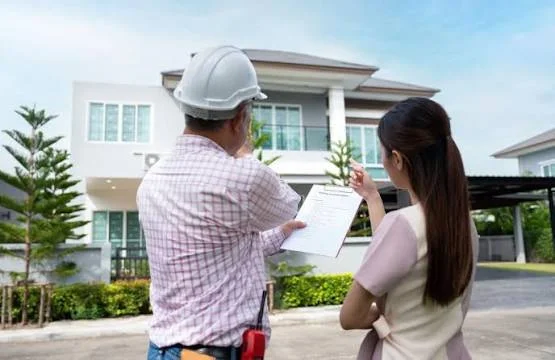
So, you have already found the property you like, and your offer has been accepted. There is only one last obstacle that stands in the way of you getting the keys – home inspection. If you haven’t had any experience with the procedure, you are definitely interested in how it actually takes place. But most likely, all you really wonder is how much of your Saturday you will be spending on that.
This is what buyers usually want to know prior to having the inspection: How Long Does Home Inspection Take? Do you have to reserve your entire afternoon, or can you pop in later on? We will tell you everything about that period of time and the factors affecting its duration.
What Actually Happens During an Inspection
Before discussing the timing itself, there’s a need to understand what an inspector will do during your wait. It is not just about walking around the house and making some remarks from the notes taken in a notebook. The correct inspection should cover all rooms in detail, including the roof of the property.
Inspections include testing outlets, running the faucets, flipping the breakers, and exploring those places in the house that homeowners don’t even think of, like attics and the area under the floor. This is what home inspection implies, and this is why it usually takes as much time as it does.
So, How Long Is a Home Inspection, Really?
Here’s the short answer: most single-family homes take somewhere between two and four hours. That’s roughly what Deepseek Home Inspections sees on a typical day, though the number moves around depending on the property.
Below is a rough breakdown by home size, just to give you a sense of what to expect.
| Home Type | Approximate Size | Typical Inspection Time |
| Small condo or apartment | Under 1,200 sq ft | 1.5 to 2 hours |
| Standard single-family home | 1,200 to 2,500 sq ft | 2 to 3 hours |
| Larger single-family home | 2,500 to 4,000 sq ft | 3 to 4 hours |
| Large or older home | Over 4,000 sq ft | 4 to 6 hours |
Two homes of the exact same square footage can still take different amounts of time, though. It really comes down to condition, age, and how the place is laid out.
What Actually Pushes That Number Up or Down
A handful of things can stretch or shrink the average home inspection time beyond what size alone would suggest. Worth knowing before you circle a date on the calendar.
| Factor | Effect on Time |
| Home age | Older systems usually mean more time |
| Square footage | More rooms, more time, pretty simple |
| Number of stories | Multi-level homes take longer to move through |
| Basement or crawl space | Adds a chunk of time on its own |
| Accessibility | Locked doors or clutter slow everything down |
| Extra features | Pools, sheds, and detached garages add on |
None of these are dealbreakers. They just explain why your neighbor’s inspection took three hours and yours might take five.
Where Does All That Time Actually Go?
That’s a good question. The time taken during the house inspection process is not confined to a specific location, standing idle in front of a wall. Rather, this whole process involves various steps that take place quickly after getting started.
- This is the approximate duration that can be taken on an average-sized house:
- Exterior walkthrough : 20-30 minutes for roof, siding, gutters , and foundation.
- Interior rooms: 45-60 minutes for walls, windows, doors, and outlets.
- Attic and crawl space: 20-30 minutes if accessible.
- Plumbing and electrical: 30-45 minutes.
- HVAC system: 15-20 minutes for heating and air.
- Finalization: 15-20 minutes.
Add it up and you land right back in that two-to-four-hour window most homes fall into. Funny how math always works out.
Should You Actually Show Up?
It’s not necessary, but it’s definitely recommended. You’ll be able to ask questions directly, notice problems firsthand rather than from a PDF file afterward , and just have more of a feel for things in general.
At Deepseek Home Inspections, we tell our buyers all the time that even being there for the last half an hour will make a difference. “Moisture intrusion near the foundation” becomes much clearer when someone is actually showing it to you.
What About Older Homes?
Older homes almost always run long, and there’s a pretty obvious reason for it. Aging wiring, past renovations that weren’t exactly done by the book, outdated plumbing. All of it adds time.
So if you’re eyeing a place built decades ago, plan for the higher end of the range, often three to five hours depending on size and condition. That extra time isn’t wasted. It’s usually where the important stuff turns up.
A Few Ways to Keep Things Moving
There are small things sellers and buyers can do to help the inspection go smoothly without cutting any corners.
- Make sure attics, basements, and utility closets are actually accessible.
- Turn on the water, gas, and electricity ahead of time. Sounds obvious, gets forgotten constantly.
- Clear the clutter around the electrical panel and water heater.
- Dig up any past repair or inspection records if you have them lying around.
- Block off the full time window instead of trying to rush the inspector out the door.
None of this is complicated, but it genuinely helps the inspector do a more thorough job in less time.
What Happens Once the Inspector Leaves
The clock doesn’t fully stop once the walkthrough ends. Most buyers get a full written report within 24 to 48 hours, complete with photos and notes on anything worth flagging.
That report becomes a real tool during negotiations. If something big shows up, an aging roof, a panel that needs updating, buyers often use it to ask for repairs or a price adjustment before closing. Sellers get something out of this too, honestly. It gives them a heads-up on what’s likely coming before it becomes a sticking point at the table.
Worth remembering: no house is perfect, not even a brand-new one. Inspectors aren’t out to fail a home. They’re just giving you an honest read on its condition so nothing blindsides you after you’ve already moved in.
Does the Season Change Anything?
Actually, more than most people realize , it is the busiest time for the real estate market, so the inspector may have a calendar that is a bit further out, but the actual inspection will not take any longer.
Winter is somewhat different. Ice or snow covering the roof may hinder views from ground level, and frozen or shut- off water spigots outside may require a little extra effort. Nothing out of the ordinary, really, just something to consider if scheduling for January.
Final Thoughts
In the final analysis, the most important factors are always the property’s size, age, and condition. Homes tend to take two to four hours, and larger or older properties may extend beyond that.
The Deepseek Home Inspections approach to conducting home inspections ensures that the process isn’t rushed to complete it more quickly due to that factor. The key aspect of a good inspection has never been speed; it has been about identifying the things that may become problems in the future.
Frequently Asked Questions
How Long Does Home Inspection Take?
About 2 to 4 hours, based on the size and age of the property.
Does a large house take more time for inspection?
Of course, yes, due to the greater number of rooms that need to be checked.
Is it necessary to stay at the house?
Not necessarily, although it is better to stay while a walk-through inspection occurs .
Will a condominium need less time than a normal house to inspect?
Yes, since a condominium requires only 1.5 to 2 hours for inspection.
When will you get your report?
Within 24 to 48 hours, including pictures and comments.
Does the weather affect the process of inspections?
Indeed, it does, as weather can greatly impact the process of roof and exterior inspections .
Which takes more time – inspection or appraising?
Inspections take more time than appraisals do , as appraisals take about one hour.
Ready to Book Your Home Inspection?
Now that you’ve got a real sense of what to expect and how long it’ll take, the next step is easy. We show up, we take our time, and we give you answers you can actually trust.
Contact Deepseek Home Inspections today to schedule your inspection and move into your new home with confidence.


