
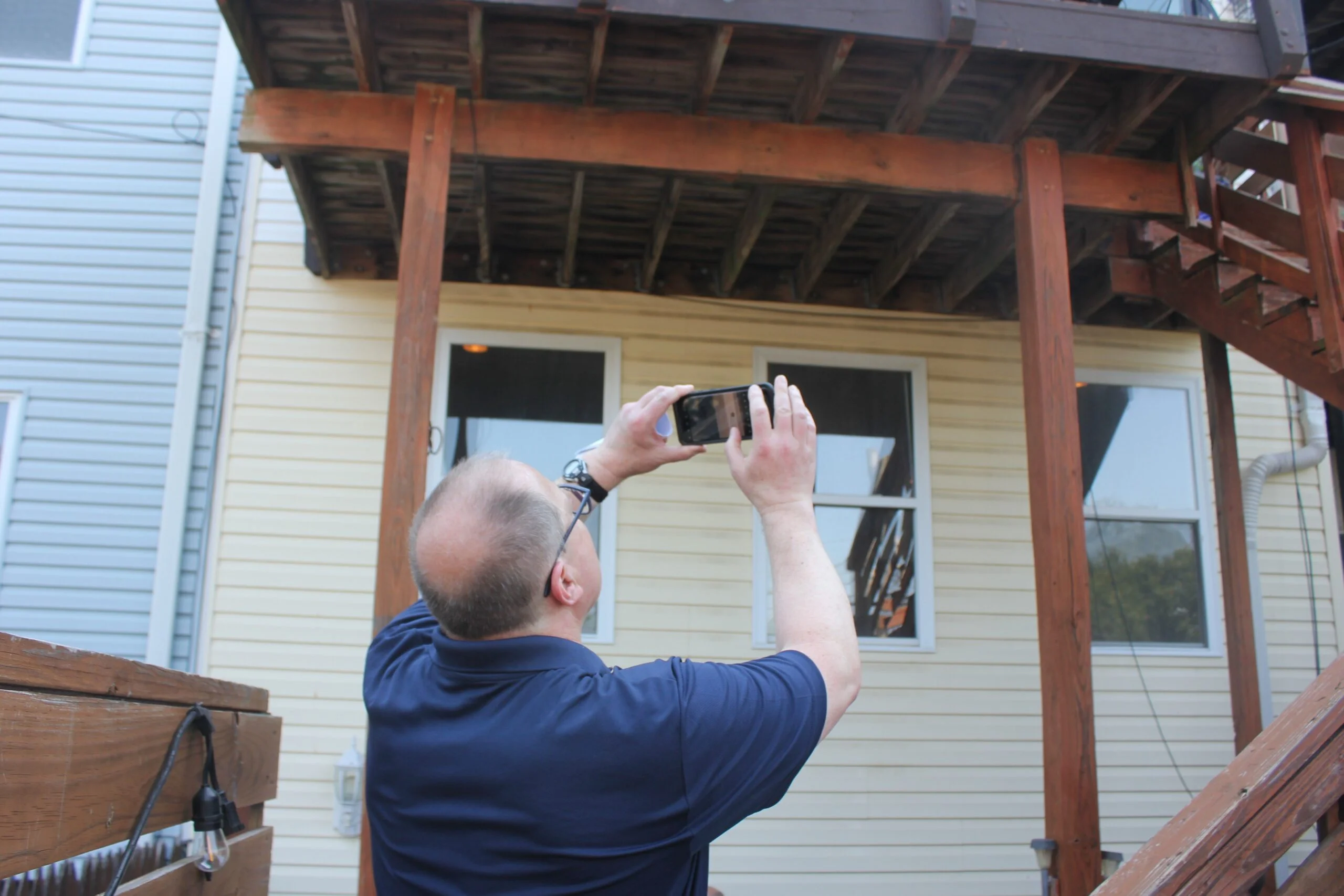
A deck adds real value and livable space to a Maryland home — but it’s also one of the most overlooked structures when it comes to routine maintenance. Between humid summers, freeze-thaw winters, constant sun exposure, and years of foot traffic, decks across Maryland take a beating that most homeowners never think about until something goes wrong. A professional residential deck inspection maryland catches the small, hidden problems before they turn into safety hazards or expensive structural repairs.
At DeepSeek Home Inspections, our certified inspectors evaluate decks as part of a full home inspection or as a standalone service, giving Maryland homeowners, buyers, and sellers a clear, documented picture of what’s safe — and what needs attention before it becomes a liability.
Why Deck Inspections Matter in Maryland
Maryland’s climate is particularly tough on outdoor wood and composite structures. Humid summers accelerate wood rot and mold growth, while winter freeze-thaw cycles loosen fasteners, shift footings, and crack concrete supports. Add in UV exposure, heavy rainfall, and years of foot traffic, and it’s easy to see why decks deteriorate faster than most homeowners expect.
Left unchecked, these issues don’t stay cosmetic. Decks are one of the more common sources of serious residential injury when structural problems go unnoticed — a rotted ledger board or a corroded joist hanger can fail without much warning, especially under the weight of a gathering. A professional deck inspection is especially important if:
- You’re buying or selling a home with an existing deck
- The deck is more than 10 years old
- You’ve noticed sagging, wobbling, or soft spots underfoot
- The deck was built without a permit or by a previous, unknown contractor
- You’re planning to host large gatherings, install a hot tub, or add heavy furniture
Understanding How Decks Fail
Most homeowners assume deck failure means a dramatic collapse, but in reality, deck problems build up slowly and quietly over years. Understanding the common failure points helps explain why a proper inspection needs to go far beyond a quick visual glance from the yard.
Ledger board separation is one of the most dangerous and common issues. The ledger board is the piece that attaches the deck directly to the house, and it’s frequently installed without proper flashing or fasteners. Over time, water gets trapped behind it, rot sets in, and the connection weakens — sometimes without any visible sign from the outside.
Footing movement happens when concrete footings shift due to frost heave or poor initial installation. A deck that “sits fine” today can develop a lean or wobble over a few freeze-thaw cycles if the footings weren’t set below the frost line.
Fastener corrosion is a slower-moving problem but no less serious. Nails, screws, and joist hanger hardware that aren’t rated for outdoor or treated-lumber use will rust and weaken over time, sometimes invisibly, until a board or railing gives way under stress.
Wood rot is the most visually obvious issue but often the most underestimated in scope. Surface rot on decking boards is usually easy to spot, but rot hidden inside support posts, under railings, or at ground contact points can compromise structural integrity long before it’s visible.
What’s Included in a Residential Deck Inspection
Our inspectors go well beyond a casual walk-through. A thorough deck inspection typically covers the following areas in detail:
1. Structural Connections
This is the single most critical part of any deck inspection. We check the ledger board attachment to the house, the condition and spacing of joist hangers, and whether proper flashing was installed to keep water out. These are the components most responsible for catastrophic deck failures when installed incorrectly or left to deteriorate.
2. Support Posts and Footings
We verify that support posts are properly set, plumb, and free of rot at ground contact points — one of the most common places for moisture damage to start. We also check whether footings have shifted, cracked, or settled unevenly, which can throw off the entire structural alignment of the deck over time.
3. Decking Boards and Railings
Every board is checked for softness, rot, warping, or splitting, and railings are tested for looseness or excessive give. We also check baluster spacing against current safety guidelines, since older decks were often built before modern spacing standards were widely adopted.
4. Stairs and Handrails
Stairs see constant repeated stress and are a common area for wear, particularly on older decks. We inspect stair stringers for cracking or rot, confirm treads are securely fastened, and test handrails for stability, since a loose handrail is one of the more frequent safety findings on aging decks.
5. Fasteners and Hardware
Corroded nails, screws, or brackets are often an early warning sign of long-term water exposure that hasn’t yet shown up as visible rot elsewhere. We flag any hardware that isn’t rated for exterior or treated-lumber use, since incorrect fasteners are a surprisingly common shortcut in lower-quality deck construction.
6. Drainage and Ventilation Beneath the Deck
Poor drainage underneath a deck traps moisture against support posts and framing, accelerating rot in areas that are hard to see without a proper inspection. We assess grading, ventilation, and any signs of standing water or excessive moisture beneath the structure.
If your deck inspection uncovers water intrusion concerns, it’s often worth pairing it with our mold inspection service, or scheduling a broader general home inspection to check for related moisture issues elsewhere in the home, such as siding, crawl spaces, or the foundation.
Signs Your Deck Needs an Inspection Now
While a professional inspection is recommended on a regular schedule, certain warning signs mean you shouldn’t wait:
- Visible sagging or noticeable bounce when walking across the deck
- Soft or spongy spots in the decking boards, especially near the house or stairs
- Rust stains around fasteners, brackets, or joist hangers
- Cracks or gaps near where the deck attaches to the house
- Wobbly railings or stair handrails that shift under light pressure
- Visible daylight or gaps where the ledger board meets the house
- A musty smell or visible mold underneath the deck structure
Homeowners in Baltimore, Odenton, Crofton, Waldorf, and across Maryland should treat any of these signs as a reason to schedule an inspection promptly, rather than waiting for a routine home sale to bring the issue to light.
Deck Inspections for Buyers and Sellers
For buyers: A deck inspection can reveal costly repairs before you close on a property — useful leverage in negotiations, and genuine peace of mind before your first summer of barbecues and gatherings. Many buyers are surprised to learn that an attractive, freshly stained deck can still be hiding serious structural issues underneath.
For sellers: Getting ahead of deck issues before listing avoids unpleasant surprises during the buyer’s own inspection, which can otherwise lead to last-minute renegotiations, delayed closings, or a lower final sale price. A pre-listing deck inspection is a relatively small investment that can prevent much larger headaches later in the transaction.
How Often Should a Deck Be Inspected?
As a general guideline, most inspectors recommend a professional deck inspection every 2 to 3 years for decks under 10 years old, and annually for older decks or those showing early signs of wear. Homes changing ownership should always include a deck inspection as part of the broader due diligence process, regardless of how new or well-maintained the deck appears from a distance.
What Happens After the Inspection
Once the inspection is complete, you’ll receive a detailed report outlining every finding, organized by severity and location. Minor cosmetic issues are noted separately from significant structural concerns, so you can prioritize repairs based on actual safety impact rather than guesswork. If serious issues are found — such as ledger board separation or compromised support posts — we recommend consulting a licensed contractor promptly, since these are not typically DIY repairs.
Frequently Asked Questions
How much does a deck inspection cost in Maryland? Pricing depends on deck size, age, and whether it’s bundled with a full general home inspection. Contact us for a quote based on your specific property.
How often should a deck be inspected? Most inspectors recommend a professional check every 2–3 years, or immediately if you notice sagging, soft boards, rust on hardware, or gaps near the house connection.
Can a deck fail a home inspection? Inspections don’t issue a strict pass/fail, but a deck with structural or safety concerns will be flagged as a significant item needing repair before it’s considered safe for regular use.
Do you inspect both wood and composite decks? Yes, our inspectors assess wood, composite, and PVC decking systems for structural integrity, wear, fastener condition, and overall safety compliance.
Is a deck inspection included in a general home inspection? Decks are typically included in a general home inspection at a basic level, but a standalone deck inspection provides a more detailed structural assessment, particularly for older or larger decks.
What’s the most common issue found during deck inspections? Ledger board attachment problems and hidden rot at ground-contact points on support posts are among the most frequently identified issues, since both can develop without obvious surface warning signs.
Schedule Your Deck Inspection Today
Don’t wait for a wobble to become a warning sign. Schedule an inspection with DeepSeek Home Inspections and get a clear, detailed report on your deck’s condition from a certified Maryland inspection team.
Call now: (667) 254-8886


