
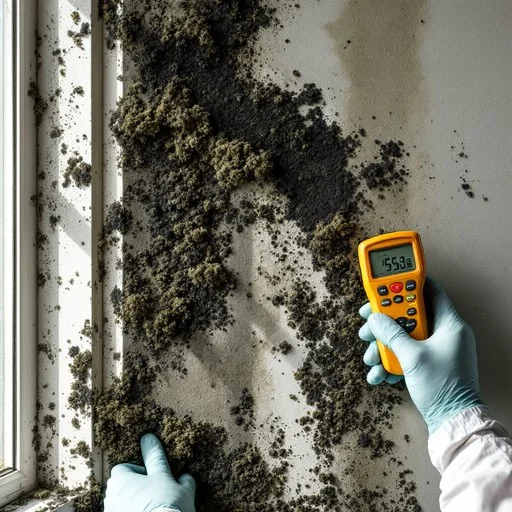
Maryland’s climate is practically custom-built for mold growth. Between humid summers, frequent rain, and older housing stock throughout Baltimore and the surrounding counties, mold is one of the most common — and most misunderstood — problems homeowners face. Whether you’re buying a new property, selling your current home, or simply concerned about air quality where you live, a professional mold inspection is one of the smartest investments you can make in your health and your property value.
This guide breaks down everything you need to know about mold inspection in Baltimore, MD: what it involves, why it matters, warning signs to watch for, and how it fits into a broader home inspection strategy.
Why Baltimore Homes Are Especially Prone to Mold
Mold needs three things to thrive: moisture, organic material (like wood, drywall, or insulation), and a lack of airflow. Unfortunately, many Baltimore-area homes check all three boxes.
1. High Humidity and Seasonal Rainfall
Maryland summers are notoriously humid, with relative humidity levels frequently climbing above 60-70%. That moisture doesn’t just stay outside — it seeps into basements, crawl spaces, attics, and wall cavities, creating the perfect breeding ground for mold spores.
2. Aging Housing Stock
Baltimore is filled with historic rowhomes, many built decades — sometimes over a century — ago. Older plumbing, aging roofs, outdated ventilation systems, and original building materials all increase the risk of hidden moisture intrusion. Many of these homes also have shared walls, which can allow moisture and mold issues to spread between adjoining units.
3. Basements and Crawl Spaces
A large percentage of homes in the Baltimore metro area have basements, and many of those basements are partially or fully below grade. Without proper waterproofing, ventilation, or dehumidification, basements become one of the most common sites for mold colonies to develop — often out of sight until the problem has grown significant.
4. Flooding and Storm Damage
Heavy storms, flash flooding, and even minor leaks from severe weather events can introduce moisture into a home quickly. If that moisture isn’t addressed and dried out within 24-48 hours, mold growth can begin.
What Is a Mold Inspection?
A professional mold inspection is a systematic evaluation of a property to identify the presence, source, and extent of mold growth. Unlike a quick visual walkthrough, a proper inspection combines visual assessment with specialized tools and, when needed, laboratory testing.
A typical mold inspection in Baltimore includes:
- Visual inspection of visible surfaces, including walls, ceilings, floors, attics, basements, and crawl spaces
- Moisture mapping using moisture meters to detect elevated dampness behind walls or under flooring
- Humidity readings throughout the home to assess overall conditions conducive to mold growth
- Air sampling to measure mold spore concentrations in indoor air compared to outdoor baseline levels
- Surface sampling (swab or tape lift) of suspicious growth to identify the specific mold species present
- HVAC system inspection, since ductwork and air handlers can harbor and spread mold spores throughout a home
- A detailed written report outlining findings, photographs, lab results (if applicable), and recommendations for remediation
Common Signs You May Need a Mold Inspection
Mold isn’t always visible. In fact, some of the most serious mold problems develop behind walls, under flooring, or above ceilings, completely hidden from plain sight. Here are the warning signs that should prompt you to schedule an inspection:
- A musty, earthy odor that persists in certain rooms, especially basements or bathrooms
- Visible discoloration on walls, ceilings, or around windows — often black, green, brown, or white
- Peeling, bubbling, or cracking paint or wallpaper
- Warped or discolored flooring, particularly near exterior walls or plumbing fixtures
- Condensation on windows or unusually high indoor humidity
- Recent water damage from a leak, flood, or burst pipe that wasn’t fully dried and remediated
- Unexplained allergy-like symptoms among household members, such as coughing, sneezing, itchy eyes, or respiratory irritation that improve when away from home
- A history of roof leaks, plumbing leaks, or foundation seepage
If any of these apply to your home, it’s worth scheduling a professional inspection rather than waiting for the problem to become more visible — and more expensive to fix.
Health Risks Associated With Mold Exposure
Mold isn’t just a cosmetic or structural nuisance — it can pose real health risks, particularly for children, the elderly, pregnant women, and individuals with asthma, allergies, or compromised immune systems. Common symptoms of mold exposure include:
- Nasal congestion and sinus irritation
- Coughing and wheezing
- Eye, nose, and throat irritation
- Skin irritation or rashes
- Worsening of asthma symptoms
- Headaches and fatigue in more severe or prolonged exposure cases
Certain mold species, such as Stachybotrys chartarum (often referred to as “black mold”), have been associated with more serious health concerns when exposure is prolonged and concentrated. While not every mold species poses the same level of risk, the only way to know what you’re dealing with is through professional testing and identification.
Mold Inspection vs. Mold Testing: What’s the Difference?
These terms are often used interchangeably, but they refer to slightly different services:
- Mold inspection is the broader process — a visual and instrument-based assessment of the property to identify visible mold, moisture issues, and conditions conducive to mold growth.
- Mold testing refers specifically to air or surface sampling that gets sent to a laboratory for analysis, confirming the presence and type of mold spores.
In many cases, a thorough mold inspection will include testing as part of the process, especially when mold isn’t clearly visible but symptoms or moisture readings suggest a hidden problem.
What Happens After a Mold Inspection?
Once the inspection is complete, you’ll receive a detailed report outlining:
- Areas of concern, including photographs and moisture readings
- Lab results, if air or surface samples were collected
- Likely sources of moisture contributing to the mold growth
- Recommendations for remediation, which may include hiring a certified mold remediation company for extensive growth, or simple fixes like improving ventilation and correcting minor leaks for smaller issues
It’s worth noting that most home inspectors, including mold inspectors, do not perform remediation themselves. This separation helps avoid conflicts of interest — you want an inspector whose only incentive is giving you an accurate assessment, not one who profits from finding (or exaggerating) problems that they then get paid to fix.
Mold Inspection During Real Estate Transactions
If you’re buying or selling a home in the Baltimore area, mold is one of the most common issues that can derail — or at least complicate — a transaction. Buyers are increasingly requesting mold inspections as part of their due diligence, and sellers who proactively address mold issues before listing often see smoother transactions and stronger offers.
For Buyers
A mold inspection gives you leverage. If mold is discovered, you can negotiate repairs, a price reduction, or in some cases walk away from the deal entirely if the issue is severe enough. Given how common hidden moisture problems are in older Baltimore homes, skipping this step can leave you exposed to costly surprises after closing.
For Sellers
Addressing mold issues before listing your home can prevent last-minute negotiations or a deal falling through during the buyer’s inspection period. A pre-listing mold inspection allows you to remediate problems on your own terms and timeline, rather than under pressure during a transaction.
How Mold Inspection Fits Into a Complete Home Assessment
Mold rarely exists in isolation — it’s almost always a symptom of an underlying moisture problem. That’s why a comprehensive approach to home inspection often uncovers issues that a mold inspection alone might miss the root cause of. For example:
- An infrared camera home inspection can detect hidden moisture behind walls and under flooring before it visibly manifests as mold, giving you an early warning system for potential problem areas.
- A sewer scope inspection in Baltimore, MD can identify underground plumbing leaks that may be introducing moisture into your foundation or crawl space, a common but often-overlooked contributor to mold growth.
- Since indoor air quality concerns often go hand-in-hand with mold, many homeowners also choose to schedule radon gas testing in Maryland at the same time, ensuring a complete picture of both air quality and structural moisture conditions.
Combining these services gives you — and your inspector — a much clearer understanding of not just where mold exists, but why, which is critical for preventing recurrence after remediation.
Preventing Mold Growth in Your Baltimore Home
While professional inspection is essential for identifying existing problems, prevention is your best long-term defense. Consider these steps:
- Maintain indoor humidity below 50%, using dehumidifiers in basements and other prone areas
- Ensure proper ventilation in bathrooms, kitchens, and laundry rooms
- Address leaks promptly — even small, slow leaks can lead to significant mold growth over time
- Clean and inspect gutters regularly to prevent water from pooling near your foundation
- Grade your yard so water flows away from, not toward, your home’s foundation
- Inspect your roof annually, particularly after major storms
- Schedule periodic mold inspections, especially if your home has a history of moisture issues or is located in a flood-prone area
Choosing a Qualified Mold Inspector in Baltimore
Not all mold inspectors are created equal. When selecting a provider, look for:
- Proper certification and training in mold assessment
- Use of professional-grade equipment, including moisture meters, hygrometers, and air sampling devices
- Independence from remediation services to avoid conflicts of interest
- Clear, detailed reporting with photographic documentation
- Experience with Baltimore-area housing, given the unique challenges posed by older construction and regional climate conditions
Frequently Asked Questions About Mold Inspection in Baltimore
How long does a mold inspection take?
Most residential mold inspections in Baltimore take between one and three hours, depending on the size of the home and the number of areas requiring closer evaluation. If air or surface samples are collected, lab results typically take an additional two to five business days.
How much does a mold inspection cost?
Pricing varies based on the size of the property, the scope of the inspection, and whether lab testing is included. Many homeowners find that the cost of an inspection is far less than the cost of unresolved mold damage, which can affect structural materials, air quality, and resale value.
Can I just look for mold myself instead of hiring a professional?
While you can certainly do a visual walkthrough on your own, DIY inspections miss the majority of hidden mold, since most significant growth occurs behind walls, under flooring, or in attics and crawl spaces that aren’t easily accessible. Professional inspectors also have the tools to measure moisture levels and airborne spore concentrations, which the naked eye simply cannot detect.
Is all mold dangerous?
Not all mold species pose the same health risks, but any indoor mold growth indicates an underlying moisture problem that should be addressed. Some species are more commonly associated with health complaints than others, which is why lab identification, rather than guesswork, is the most reliable way to understand what you’re dealing with.
Do I need a mold inspection if I don’t see any visible mold?
Yes, especially if you’ve noticed musty odors, past water damage, or unexplained allergy symptoms among household members. Mold can grow in hidden spaces long before it becomes visible on painted surfaces, and by the time it’s visible, the problem is often more extensive than it appears.
Will a mold inspection tell me how to fix the problem?
A mold inspection identifies the presence, extent, and likely source of mold growth, along with recommendations for next steps. For significant mold colonies, this usually means referral to a certified remediation company. For minor issues tied to ventilation or humidity, your inspector may recommend simpler corrective measures.
How often should I schedule a mold inspection?
Homeowners in flood-prone areas, older homes, or properties with a history of moisture issues may benefit from periodic inspections every one to two years. For most homeowners, a mold inspection is most valuable when buying or selling a property, after a water damage event, or when experiencing symptoms that suggest a possible indoor air quality issue.
Schedule Your Mold Inspection Today
Mold problems rarely improve on their own — they tend to grow, both literally and in terms of the cost to fix them. Whether you’ve noticed a musty odor, are preparing to buy or sell a home, or simply want peace of mind about your indoor air quality, a professional mold inspection is the clearest path to answers.
The certified team at DeepSeek Home Inspections provides thorough, professional mold inspections throughout Baltimore, MD, combining visual assessment, moisture mapping, and lab-verified testing to give you accurate, actionable results. Their inspectors take an independent, unbiased approach, so you can trust that every finding is in your best interest — not the inspector’s bottom line.
Contact DeepSeek Home Inspections today to schedule a mold inspection for your Baltimore-area home, and take the first step toward a healthier, safer living environment.


