
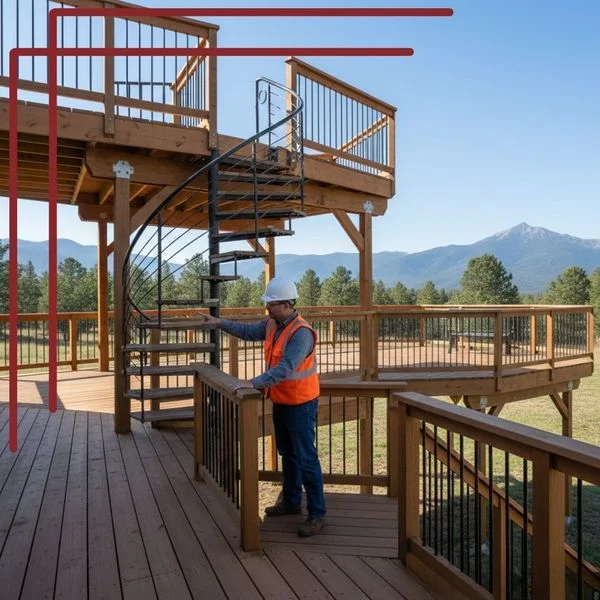
A deck or porch is one of the most-used — and most overlooked — parts of a Maryland home. It’s where cookouts happen, where kids play, and where morning coffee gets enjoyed. But it’s also one of the leading causes of serious backyard injuries in the U.S., and most of those failures come down to problems that a professional deck and porch inspection would have caught long before anyone got hurt.
If you’re buying a home with an existing deck, selling a property with an aging porch, or you simply haven’t had yours looked at in a few years, this guide walks through exactly what a deck and porch inspection in Maryland involves, the red flags inspectors look for, and how Maryland’s climate quietly works against these structures year after year.
Why Deck and Porch Inspections Matter in Maryland
Unlike your roof or foundation, a deck or porch is a structure that’s almost entirely exposed to the elements while also being expected to safely support dozens of people, heavy grills, hot tubs, and furniture — often built on a much lighter frame than the rest of the house.
Maryland’s mix of humid summers, freeze-thaw winters, and heavy seasonal rainfall creates the exact conditions that accelerate wood rot, fastener corrosion, and footing movement. A deck that looked perfectly fine five years ago can develop hidden structural issues that aren’t visible from a casual walk-through.
That’s why a general home inspection alone often isn’t enough to catch everything going on with an outdoor structure — a dedicated deck inspection digs into the framing, connections, and support system that a standard walkthrough may only glance at.
Common Deck and Porch Problems Found in Maryland Homes
After inspecting decks and porches across the state, a few issues show up again and again. Here’s what tends to cause the most trouble.
1. Ledger Board Failures
The ledger board is the piece that attaches the deck directly to the house. It’s also responsible for the majority of catastrophic deck collapses nationwide. Improper flashing, missing lag bolts, or rot behind the ledger can let it slowly pull away from the house — often with no visible warning until it fails under load.
2. Post and Footing Problems
Maryland’s freeze-thaw cycles can heave shallow or improperly poured footings out of position over time. Posts that were plumb and solid when the deck was built can shift, lean, or lose contact with their footings entirely, compromising the whole structure’s stability.
3. Wood Rot and Moisture Damage
Humid summers and poor ventilation underneath low decks and porches create ideal conditions for moisture to get trapped in framing members, joists, and support posts. Wood rot often starts hidden from view — inside joist hangers, behind stair stringers, or where boards meet the ground — and spreads before it’s ever noticed.
4. Loose or Unsafe Railings and Guards
Railings are one of the most common code violations found during inspections. Wobbly balusters, railings that don’t meet the required height, or guardrails that can’t withstand lateral force are all serious safety concerns, especially for homes with children or older adults.
5. Corroded or Incorrect Fasteners
Older decks were sometimes built with fasteners that aren’t rated for treated lumber, which can corrode rapidly and weaken connections. Rusted joist hangers, missing structural screws, and nails used where code now requires bolts are all common findings.
6. Wood-Destroying Insects
Termites and carpenter ants thrive in moist, untreated wood, and a deck or porch built close to the ground is a prime target. If there’s any sign of insect activity, a termite inspection can confirm the extent of the damage and whether it has spread toward the home itself.
7. Stair and Step Issues
Uneven stair risers, missing stringers, and stairs without proper handrails create tripping hazards and are frequently flagged, particularly on older porches that predate current building codes.
Maryland Climate Factors That Affect Decks and Porches
Maryland sees a real mix of weather extremes, and each one takes a toll on outdoor structures differently:
- Humid, hot summers accelerate wood decay and create the moisture buildup that leads to rot and mold underneath low decks and enclosed porches.
- Cold winters with freeze-thaw cycles cause footings and posts to shift slightly year after year, gradually loosening connections that were originally solid.
- Heavy spring and fall rainfall puts constant stress on flashing, ledger boards, and any area where water can pool instead of draining away.
- Coastal and high-humidity counties near the Chesapeake Bay tend to see faster fastener corrosion and wood decay than drier inland areas.
These factors mean a deck built to code ten or fifteen years ago may no longer meet the safety standard it once did — not because it was built poorly, but because Maryland weather simply wears these structures down over time.
What’s Included in a Professional Deck and Porch Inspection
A thorough deck and porch inspection typically covers:
- Ledger board attachment — checking flashing, fasteners, and signs of separation from the house
- Support posts and footings — verifying they’re plumb, stable, and properly set below the frost line
- Framing and joists — inspecting for rot, insect damage, and undersized or improperly spaced members
- Fasteners and connectors — confirming joist hangers, bolts, and screws are rated for the application and free of corrosion
- Railings and guardrails — checking height, spacing, and structural stability against current safety standards
- Stairs and stringers — evaluating riser height consistency, tread condition, and handrail security
- Decking boards and surface — looking for cupping, splitting, soft spots, and trip hazards
- Drainage and grading — making sure water isn’t pooling against posts or footings
Every finding is documented with photos and clear explanations in the final report, so you know exactly what needs attention and how urgent it is.
Deck Inspection vs. General Home Inspection: What’s the Difference?
A general home inspection covers the entire property — roof, foundation, electrical, plumbing, HVAC — and typically includes a visual look at exterior structures like decks and porches. That’s a good starting point, but it’s usually a surface-level review as part of a much larger checklist.
A dedicated deck inspection goes further. It’s focused entirely on structural integrity: checking connections that require crawling underneath, testing railings for movement, and evaluating footings that a general walkthrough might not access. If a deck or porch is a significant feature of the property — or if you already have concerns about its condition — a standalone deck inspection provides a much more detailed picture.
When Should You Schedule a Deck or Porch Inspection?
- Before buying a home — so you know exactly what you’re inheriting and can negotiate repairs if needed
- Before selling — to address issues proactively and avoid surprises during the buyer’s inspection
- After severe weather — heavy storms, ice, or high winds can loosen connections that aren’t visible from the surface
- Every few years — as routine maintenance, especially for decks over 10 years old
- Before hosting large gatherings — if you’re planning to have a lot of people on the deck at once, it’s worth confirming it can handle the load
- If you notice warning signs — bounce or sway when walking, wobbly railings, visible cracks, or soft/spongy boards
DIY Checks vs. a Professional Inspection
There’s a lot a homeowner can spot on their own: loose boards, visibly rusted hardware, obvious cracks, or a railing that wiggles when you push on it. These quick checks are worth doing seasonally.
But the issues that actually cause collapses — a failing ledger connection, a footing that’s shifted underground, or hidden rot inside a joist hanger — usually aren’t visible without getting underneath the structure and using the right tools. That’s the value of bringing in a certified inspector: catching the problems that don’t announce themselves until it’s too late.
Building Codes and Permits for Decks in Maryland
Maryland counties generally follow the International Residential Code (IRC) with local amendments, which sets specific requirements for guardrail height, baluster spacing, footing depth, and ledger attachment. Many older decks were built before current code updates and may not meet today’s standards, even if they were compliant when constructed.
If you’re planning renovations or additions, or you’re unsure whether an existing structure was permitted correctly, an inspection can help identify code gaps before they become a bigger issue during a home sale or insurance claim.
Insurance and Liability Considerations
A deck failure isn’t just a repair headache — it can create real liability exposure. If a guest is injured because a railing gave way or boards collapsed, homeowners can be held responsible, and insurance companies may look closely at whether the structure was properly maintained and up to code. Landlords and property managers face even greater exposure, since they’re generally held to a higher standard of care for tenant and visitor safety.
Some insurers now ask about the age and condition of a deck or porch when underwriting a policy, and unpermitted or non-compliant structures can complicate a claim after the fact. A documented inspection report gives homeowners a paper trail showing the structure was evaluated and maintained, which can be valuable both for insurance purposes and for peace of mind.
How Much Does a Deck Inspection Cost in Maryland?
Pricing depends on the size, height, and complexity of the deck or porch, along with accessibility for the inspector. Larger multi-level decks, structures over a walkout basement, or porches with enclosed skirting typically take more time to fully evaluate than a simple ground-level deck. For an accurate quote based on your specific property, it’s best to contact our team directly.
Why Choose DeepSeek Home Inspections
DeepSeek Home Inspections provides certified deck and porch inspection services throughout Maryland, combining a hands-on structural evaluation with a clear, photo-documented report you can actually use. Our inspectors examine framing, footings, railings, fasteners, and stairs, and flag anything that could affect the safety or longevity of the structure.
We also offer complementary services like thermal imaging inspection to detect hidden moisture patterns and termite inspection for wood-destroying insect activity — both of which pair well with a deck evaluation when rot or pest damage is a concern.
Whether you’re a buyer, seller, homeowner, or landlord, our goal is simple: give you a clear picture of what’s really going on with your deck or porch, so you can make decisions with confidence instead of guesswork.
Frequently Asked Questions
How long does a deck inspection take? Most standalone deck inspections take 30 minutes to an hour, depending on the size and complexity of the structure. When paired with a full home inspection, it’s typically completed as part of that same visit.
Do I need a deck inspection if my deck looks fine? Yes — many of the most serious issues, like ledger board separation or footing movement, aren’t visible without a closer structural evaluation. A deck can look completely fine on the surface while having significant hidden problems underneath.
Is a porch inspection different from a deck inspection? The process is very similar, since both are exterior structures supported by framing, posts, and footings. Enclosed or roofed porches may also involve checking flashing where the roof meets the house and looking for moisture intrusion in enclosed areas.
Can a bad deck inspection affect a home sale? It can. Significant structural findings may lead to renegotiation, repair requests, or, in some cases, affect financing if the issue is severe enough to be considered a safety hazard.
For more answers to common questions, visit our full FAQ page.
Schedule Your Deck and Porch Inspection Today
Don’t wait for a wobble, a crack, or a bounce to find out your deck needs attention. DeepSeek Home Inspections provides thorough, certified deck and porch inspections across Maryland — from Baltimore and Anne Arundel County to Howard, Montgomery, and Frederick County. Schedule your inspection today, or contact us with any questions about your specific property.


