
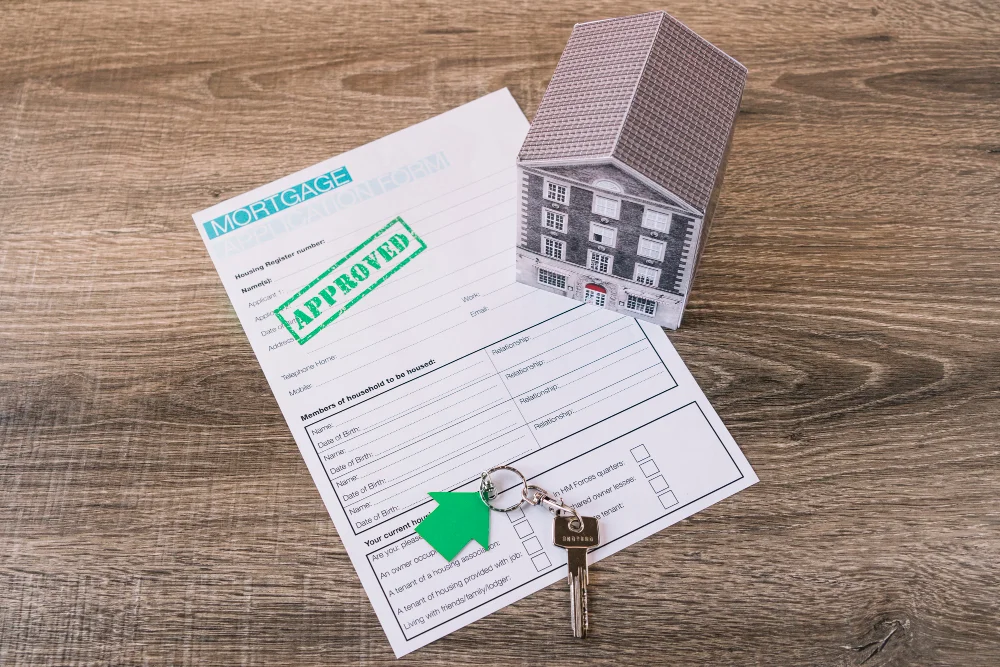
Buying your first home is a monumental milestone. The excitement of finding the perfect property, visualizing your future in those rooms, and imagining hosting family gatherings can easily cloud your judgment. However, beneath the freshly painted walls and beautifully staged interiors, there could be hidden structural deficiencies, mechanical failures, or legal entanglements waiting to turn your dream home into a financial nightmare.
That is exactly why real estate due diligence exists. Think of due diligence as doing your homework before making the biggest financial commitment of your life. It is your protected investigation period to uncover the hidden truths about a property before you legally bind yourself to it. At DeepSeek Home Inspections, we believe that skipping due diligence is the single biggest mistake a first-time home buyer can make.
Let us explore exactly what due diligence entails, the critical steps you must take before closing, and how to leverage your findings to protect your investment.
Protect Your First Home Investment with a Professional Inspection
Before you sign the closing papers, make sure you know exactly what you are buying. DeepSeek Home Inspections provides detailed property evaluations that uncover hidden issues, giving first-time home buyers the confidence to make informed decisions.
Schedule Your Home InspectionWhat is the Due Diligence Period in Real Estate?
In a real estate transaction, the due diligence period is the specific timeframe allocated to the buyer to thoroughly investigate the property after the seller accepts their offer. This window typically lasts between seven to fourteen days, though the exact length depends on your contract terms and local market customs.
During this time, your primary objective is to verify the physical condition, legal standing, and financial viability of the property. You have the right to schedule professional assessments, review public records, and demand documentation. If you uncover major defects or safety hazards that the seller refuses to address, this protected period gives you the legal right to walk away from the deal and recover your earnest money deposit.
The Core Pillars of Buyer Due Diligence
A comprehensive due diligence process covers four essential categories. Neglecting any one of these pillars can expose you to severe financial risk after closing.
1. The Physical Condition Assessment (The Home Inspection)
This is the cornerstone of your due diligence. You would never buy a used car without looking under the hood, and you certainly should not buy a residential property without examining its structural integrity and mechanical systems.
A professional home inspection conducted by a certified inspector from DeepSeek Home Inspections provides a non invasive visual assessment of the property major components. Your inspector will seek deep into the following areas:
Roof and Attic: We evaluate shingles, flashing, gutters, and visible framing to detect moisture intrusion, ventilation issues, and active leaks that could lead to structural decay.
Foundation and Basement: We check for structural cracks, settlement signs, and dampness. Moisture intrusion in basements and crawlspaces is a common defect that can foster dangerous mold growth and compromise the home structural integrity.
Plumbing Infrastructure: We document pipe materials, water pressure, main shut off valves, and drainage functionality to ensure the system is free from leaks and properly routed.
Electrical Panel and Wiring: We evaluate the service panel, circuit breakers, and visible wiring for safety hazards, improper installations, and code violations. Faulty electrical systems are a leading cause of residential fires.
HVAC Systems: We detail the furnace, air conditioning units, and ductwork to assess their age, mechanical functionality, and remaining lifespan.
Beyond the standard inspection, your due diligence may require specialized assessments based on the property age and location, including radon gas testing, wood destroying organism inspections for termites, lead based paint inspections, and mold assessments.
2. Title Search and Legal Standing
Before you can legally own a home, you must ensure no one else has a claim to it. A title search involves reviewing public records to verify the property legal ownership history. This search uncovers any outstanding liens unpaid debts attached to the property, easements rights others have to use your land, or boundary disputes.
If a previous owner failed to pay a contractor or had a tax judgment against them, that lien attaches to the house. If you buy the property without clearing the title, you inherit that debt. Securing owner title insurance is a non negotiable part of this step. It protects you against any unforeseen legal claims that were not discovered during the initial title search.
3. Property Survey and Zoning Compliance
A property survey confirms the exact geographical boundaries of the land you are purchasing. It ensures that the house, garage, fence, and driveway are all situated entirely within those boundaries and not encroaching on a neighbor property. Encroachment issues can delay your mortgage approval and lead to costly legal disputes with neighbors later.
Additionally, you must verify that the property complies with local zoning regulations. Checking the zoning designation tells you exactly what you are permitted to do with the land. If you plan to add a secondary dwelling, run a home business, or build an extension, zoning laws will dictate whether those future plans are legally feasible.
4. Financial and Insurance Viability
Your lender will order a home appraisal during the due diligence period to prove the house is actually worth the amount you agreed to pay. If the appraisal comes in lower than your offer price, you will need to negotiate with the seller, cover the difference yourself, or walk away.
Simultaneously, you must secure homeowners insurance. Do not wait until the last minute. Get insurance quotes early to understand your premium costs. Depending on the property location, you may need additional coverage for flood zones or high wind areas. If an insurance company refuses to cover the home due to its condition or location, that is a massive red flag you must address before closing.
HOA Review: Reading the Fine Print
If your potential home is part of a Homeowners Association, your due diligence requires an extra layer of investigation. You must read the HOA Covenants, Conditions, and Restrictions thoroughly. These documents dictate everything from the color you can paint your front door to the type of landscaping you are allowed to install.
Furthermore, review the HOA financial statements and reserve funds. A poorly run HOA with inadequate reserves might levy sudden, massive special assessments on all homeowners to cover major repairs like roof replacements or parking lot resurfacing. Understanding these rules and financial health prevents unexpected lifestyle restrictions and financial burdens after you move in.
The Final Walk Through: Your Last Line of Defense
Most contracts allow the buyer to perform a final walk through inspection twenty four to seventy two hours before the closing appointment. This is not a time to kick back and relax. The final walk through is your last opportunity to verify that the property is exactly as you agreed to purchase it.
During the final walk through, use a detailed checklist to verify the following:
Agreed Upon Repairs: If the seller agreed to fix any major defects discovered during your DeepSeek Home Inspection, verify that all requested work was completed correctly and up to code. Request copies of repair receipts and warranties from the contractors.
Seller Belongings Removed: Ensure the seller has removed all personal belongings, trash, and old furniture they were contractually obligated to leave behind.
No New Damage: Check walls, floors, and ceilings for new damage that may have occurred during the seller moving process. Ensure no new leaks or broken windows have appeared since your initial inspection.
Mechanical Functionality: Test every light switch, run the dishwasher, flush all toilets, and turn on the HVAC system to confirm everything is operational.
Security and Locks: Test every door and window. Confirm that all locks, garage remotes, and security features work as expected.
Broom Clean Condition: The property should be left in a broom clean condition, meaning it is swept clean and free of debris, ready for your occupancy.
If you discover issues during the final walk through, do not proceed to closing blindly. Document the problems with detailed photos and notes, and instruct your real estate agent to coordinate with the seller agent to resolve the issue before you sign the final documents.
How to Leverage Your Due Diligence Findings
The entire purpose of due diligence is to gather factual data that empowers your decision making. Once you have your home inspection report, title search results, and appraisal in hand, you have three primary options:
Request Repairs or Credits: If the inspector finds major defects or safety hazards, you can submit a formal repair request to the seller. You can ask them to fix the issues before closing, or request a price credit reduction so you can hire your own contractors to perform the work post purchase.
Accept the Condition: If the findings are minor or cosmetic, and you are highly motivated to secure the property, you can choose to accept the home as is and proceed to closing.
Walk Away from the Deal: If a huge problem pops up that costs too much money to remedy, or if the seller refuses to negotiate on critical safety hazards, you can cancel the deal. As long as you are within your due diligence timeframe and have maintained your contingencies, you will get your earnest money deposit refunded in full.
Frequently Asked Questions About Buyer Due Diligence
Conclusion
Buying your first home should be a journey of excitement, not a path of unexpected financial ruin. Due diligence is the shield that protects you from inheriting someone else costly problems. From the physical condition assessment to the title search and the final walk through, every step exists to give you complete clarity before you sign your closing documents.
At DeepSeek Home Inspections, we are committed to seeking deep into the physical integrity of your future home, providing you with the factual data you need to negotiate confidently or walk away safely. Do not leave your biggest investment to chance. Contact DeepSeek Home Inspections today to schedule your professional property evaluation and experience the peace of mind that true due diligence delivers.


