
If you’re buying or maintaining a home, you’ve probably come across two terms that sound similar but mean very different things: septic inspection and sewer scope inspection. Both deal with wastewater systems, both are critical for protecting your investment, and both can save you from expensive surprises down the road. But they evaluate entirely different systems, and knowing which one your home actually needs or whether you need both can be confusing.
This guide breaks down exactly what separates a septic inspection from a sewer scope inspection, why each matters, and how to figure out which applies to your property.
The Core Difference: What System Are You On?
The single most important factor in deciding which inspection you need is understanding how your home disposes of wastewater. There are two primary systems:
- Municipal sewer connection: Your home’s wastewater flows through a private lateral pipe that connects to the city or county’s public sewer main.
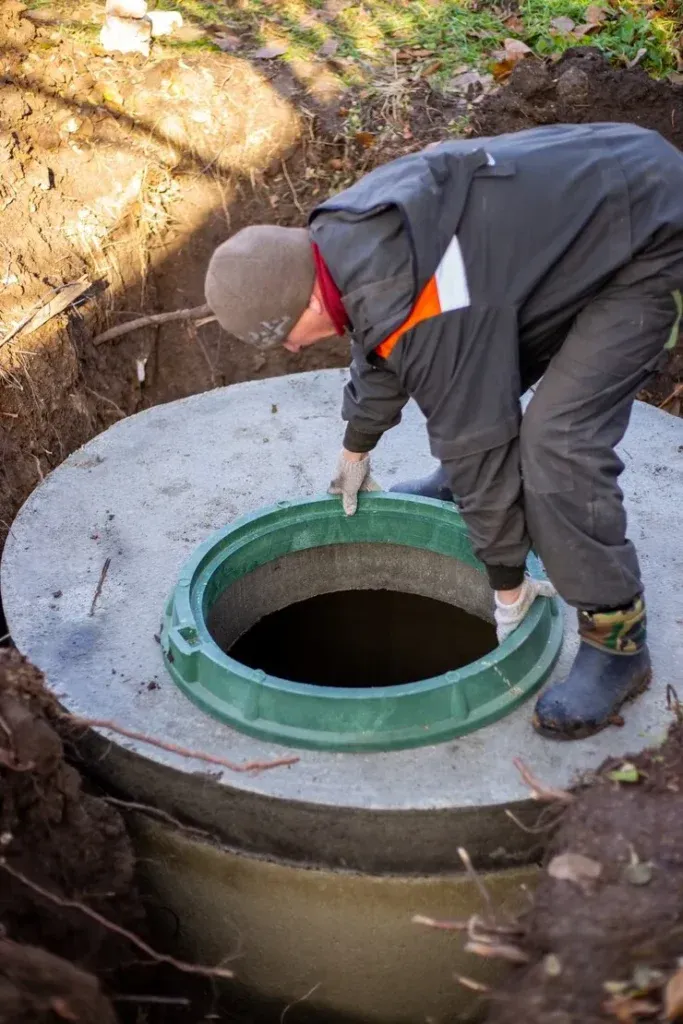
- Septic system: Your home has an independent, on-site wastewater treatment system, typically consisting of a septic tank and a drain field (also called a leach field), with no connection to a municipal sewer line.
You cannot have both a septic inspection and a sewer scope inspection be relevant in the same way — your home has one system or the other, and each requires a fundamentally different inspection approach.
What Is a Sewer Scope Inspection?
A sewer scope inspection is used for homes connected to a municipal sewer system. It involves feeding a specialized camera, attached to a flexible cable, through the home’s sewer lateral the pipe that runs from the house to the connection point with the public sewer main.
What a Sewer Scope Inspection Checks For
- Cracks, breaks, or collapses in the pipe
- Root intrusion, especially common in older clay or cast iron piping
- Pipe bellying, where a section of pipe has sagged, creating a low point that traps waste and debris
- Corrosion, particularly in aging cast iron pipes
- Improper connections or poorly executed past repairs
- Blockages from grease, debris, or foreign objects
How It Works
A trained inspector accesses the sewer lateral through a cleanout, if one is available, or occasionally through a toilet or other access point. The camera is fed through the pipe while the inspector watches a live video feed, documenting the condition of the pipe from the house all the way to its connection with the municipal line.
Why It Matters
Sewer lateral repairs or replacements can be extremely expensive, particularly when the damaged pipe runs beneath a driveway, mature landscaping, or a finished basement. Because sewer laterals are underground and completely hidden from view, a scope inspection is really the only reliable way to assess their condition before problems manifest as backups, foul odors, or soggy patches in the yard.
What Is a Septic Inspection?
A septic inspection, on the other hand, evaluates a completely different type of wastewater system — one that treats and disposes of waste entirely on the property, without any connection to a municipal system.
What a Septic Inspection Checks For
- Septic tank condition, including structural integrity, sludge and scum levels, and signs of leaks
- Drain field function, assessing whether wastewater is properly absorbing into the soil
- Baffle condition, which controls the flow of wastewater within the tank
- Distribution box function, ensuring wastewater is evenly distributed to the drain field
- Signs of system failure, such as pooling water, unusual odors, or unusually lush grass patches above the drain field
- Pump function, for systems that use a pump to move effluent to the drain field
How It Works
A septic inspection typically involves locating and uncovering the tank (or accessing existing risers), measuring sludge and scum layers, inspecting the tank’s structural condition, and evaluating the drain field for signs of saturation, ponding, or failure. In many cases, the tank is pumped as part of the inspection process to allow a full internal assessment.
Why It Matters
Septic system failures are notoriously expensive to repair, with drain field replacement in particular often costing many thousands of dollars. Unlike a sewer lateral issue, a failing septic system can also pose direct environmental and health hazards, since improperly treated wastewater can contaminate groundwater and nearby wells.
Side-by-Side Comparison
| Feature | Sewer Scope Inspection | Septic Inspection |
|---|---|---|
| Applies to | Homes on municipal sewer | Homes with on-site septic systems |
| Tool used | Camera on flexible cable | Physical excavation, measurement tools, sometimes camera |
| Main focus | Pipe condition from house to sewer main | Tank condition, sludge levels, drain field function |
| Common issues found | Cracks, root intrusion, bellying, blockages | Tank leaks, drain field saturation, pump failure |
| Typical cost driver | Length and accessibility of the lateral pipe | Tank size, accessibility, whether pumping is included |
| Consequence of neglect | Sewage backup, costly excavation and pipe replacement | System failure, environmental contamination, drain field replacement |
How to Know Which One Your Home Needs
If you’re unsure whether your home is on a municipal sewer or a septic system, here are a few ways to find out:
- Check your water bill. Many municipalities include a sewer usage charge on water bills for homes connected to public sewer systems. If you don’t see this charge, you may be on septic.
- Look for a septic tank lid or risers in your yard, often marked with a small cover or visible bump in the landscaping.
- Ask your real estate agent or check county records, since property records often specify whether a home is connected to municipal utilities or relies on a private septic system.
- When in doubt, ask your inspector. A qualified home inspector can typically determine which system your home uses fairly quickly.
Can a Home Need Both Types of Inspection?
While a single home won’t have both a septic system and a municipal sewer connection, larger properties or those with unique configurations such as a guest house, detached unit, or property that was previously on septic before connecting to municipal sewer may have leftover or supplemental systems worth investigating. In these cases, it’s worth discussing your specific property history with your inspector to determine whether any additional evaluation is warranted.
Why These Inspections Matter During a Real Estate Transaction
Both septic and sewer scope inspections fall outside the scope of a standard general home inspection, which means they’re easy for buyers to overlook often to their detriment. Wastewater system failures, whether in a municipal sewer lateral or a private septic system, are among the most expensive surprises a new homeowner can face.
For Buyers
Requesting the appropriate inspection based on your home’s system gives you critical information before closing. If issues are found, you can negotiate repairs, request a price adjustment, or make a more informed decision about whether to proceed with the purchase.
For Sellers
Addressing wastewater system issues proactively, before listing, can prevent last-minute negotiation problems or a buyer walking away during their inspection period. A clean sewer scope or septic inspection report can also serve as a valuable selling point.
Combining These Inspections With a Full Home Assessment
Wastewater systems are just one piece of a home’s overall condition. For the most complete picture, many buyers and homeowners choose to combine a sewer scope or septic inspection with other diagnostic services. An infrared camera home inspection can detect hidden moisture issues elsewhere in the home — problems that, in some cases, may even be linked to plumbing or drainage issues uncovered during a sewer scope. Since a home’s overall condition affects more than just its plumbing, it’s also worth considering mold inspection in Baltimore, MD if there’s any history of water intrusion, and radon gas testing in Maryland to evaluate indoor air quality, since radon risk is unrelated to plumbing but equally important to rule out during a real estate transaction.
Common Misconceptions About Septic and Sewer Systems
Even experienced homeowners sometimes carry mistaken assumptions about how these systems work. Clearing up a few common misconceptions can help you make better decisions about maintenance and inspection.
“If nothing is backing up, everything must be fine.”
Both septic and sewer systems can deteriorate slowly and silently for years before symptoms become obvious. A slow root intrusion in a sewer lateral, for example, may only cause minor slow drainage at first, gradually worsening until a full blockage occurs. Similarly, a septic drain field can be failing well before any surface signs, like pooling water or odors, become noticeable. By the time symptoms appear, the underlying problem is often significantly worse than it would have been if caught earlier through routine inspection.
“A general home inspection covers this.”
Standard home inspections are visual and non-invasive by design, focusing on accessible systems and structures. Sewer laterals and septic components are underground and require specialized equipment and expertise to properly evaluate — which is exactly why they’re offered as separate, add-on services rather than being bundled into a general inspection.
“New homes don’t need these inspections.”
While newer homes are statistically less likely to have significant issues, construction defects, improper installation, or pre-existing site conditions can still cause problems even in relatively new sewer laterals or septic systems. Age reduces risk, but it doesn’t eliminate the value of verification.
“Septic systems don’t need much maintenance.”
Septic systems require regular pumping and periodic inspection to function properly over the long term. Neglecting this maintenance is one of the leading causes of premature drain field failure, which is often the most expensive component to repair or replace.
Maintenance Tips to Protect Your Wastewater System
Regardless of which system your home uses, a few proactive habits can meaningfully extend its lifespan and reduce the likelihood of costly repairs:
For sewer lateral systems:
- Avoid planting trees or large shrubs directly above or near the sewer lateral, since root systems are a leading cause of pipe damage
- Never flush wipes, paper towels, or other non-dissolvable items, even if labeled “flushable”
- Address slow drains promptly rather than waiting for a full blockage
- Schedule a sewer scope inspection before purchasing an older home, particularly one with mature landscaping near the suspected pipe route
For septic systems:
- Have the tank pumped on a regular schedule, typically every three to five years
- Avoid excessive water use in short periods, which can overwhelm the system’s capacity
- Never dispose of grease, chemicals, or non-biodegradable items through drains connected to the septic system
- Keep vehicles and heavy equipment off the drain field to prevent soil compaction
- Maintain adequate vegetation (grass, not deep-rooted plants) over the drain field to support proper absorption
Frequently Asked Questions
How much does a sewer scope inspection cost compared to a septic inspection? Sewer scope inspections are generally less expensive than septic inspections, since they don’t typically involve excavation or pumping. Septic inspections often cost more due to the additional labor involved in accessing and evaluating the tank and drain field.
How often should these inspections be performed? Sewer scope inspections are most commonly performed during a real estate transaction, though older homes may benefit from periodic scoping every few years. Septic systems typically require inspection and pumping every three to five years, depending on household size and system capacity.
Can I skip these inspections if the home looks fine? Both sewer laterals and septic components are underground and hidden from view, meaning visible condition tells you almost nothing about their actual state. Skipping these inspections is one of the most common ways buyers end up with costly, unexpected repairs shortly after moving in.
What happens if problems are found? Depending on severity, findings may range from minor recommendations (such as routine maintenance) to major red flags requiring repair or replacement before the sale can proceed. Your inspector’s report will typically outline the severity and recommended next steps.
Get the Right Inspection for Your Home
Whether your property is connected to a municipal sewer system or relies on a private septic system, understanding its condition before you buy — or before problems arise — is one of the smartest steps you can take as a homeowner. The experienced team at DeepSeek Home Inspections provides thorough sewer scope inspections throughout the Baltimore, MD area, helping buyers and homeowners avoid costly surprises with clear, camera-verified assessments of their wastewater systems.
Contact DeepSeek Home Inspections today to schedule your sewer scope inspection and get a clear picture of what’s really going on beneath your property.


