
More Than Just a Termite Check
When most Maryland homeowners hear the phrase wood destroying insect inspection, they immediately think of termites. Termites are certainly the most common concern, but a proper wood destroying insect inspection Maryland lenders and real estate professionals require actually covers a broader category of pests, including carpenter ants, powderpost beetles, old house borers, and other organisms that feed on or nest within structural wood.
At DeepSeek Home Inspections, our termite and wood destroying insect inspections are performed by licensed inspectors who know exactly what evidence to look for, and just as importantly, where to look for it.
What Is a Wood Destroying Insect Inspection?
A wood destroying insect inspection is a visual evaluation of a property’s accessible structures, looking for evidence of active infestation, past damage, and conditions that could invite future infestations from any wood-destroying organism, not just termites. The findings are documented on a standardized form, often called a Wood-Destroying Insect Report, or WDIR.
This report is frequently required by mortgage lenders before closing, particularly for VA and FHA-backed loans, but it also serves a broader purpose: giving buyers, sellers, and homeowners a clear, professional record of a property’s condition regarding wood-destroying pests.
The Wood-Destroying Organisms Covered in a Full Inspection
A thorough inspection accounts for several distinct pests, each with different habits and different warning signs:
- Subterranean termites: the most common and destructive species in Maryland, building mud tubes between soil and wood
- Carpenter ants: don’t eat wood but excavate galleries within damp or damaged wood to nest, often signaling a moisture problem
- Powderpost beetles: target unfinished or untreated wood, leaving small round exit holes and fine, powdery frass
- Old house borers: less common but capable of causing significant structural damage over many years in softwood framing
- Carpenter bees: bore into exposed exterior wood such as fascia boards, decks, and eaves
A report that only checks for termites and ignores these other organisms gives an incomplete picture of a property’s true condition. This is one reason it’s worth confirming exactly what your inspector’s scope of work includes before scheduling.
Why Maryland Properties Are Particularly Susceptible
Maryland’s humid summers, mixed with older housing stock throughout Baltimore, Howard County, Montgomery County, and the Eastern Shore, create conditions that favor several of these pests simultaneously. Homes with wood-to-soil contact, poor grading, older wood siding, or unaddressed moisture problems are at elevated risk regardless of which specific organism ends up being the culprit.
Newer construction isn’t automatically exempt either. Framing lumber left exposed to moisture during a delayed build, or a deck built with wood-to-soil contact, can create conditions attractive to wood-destroying insects even in a home just a few years old.
Signs Inspectors Look For During the Visit
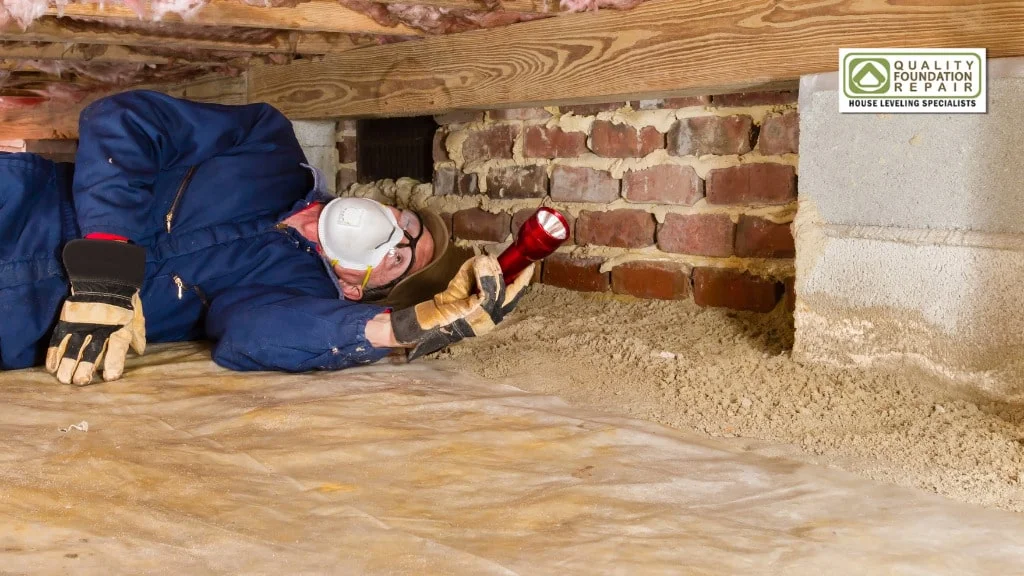
During a wood destroying insect inspection, a trained professional examines the basement or crawlspace, attic, exterior foundation, porches, decks, and any outbuildings for indicators such as mud tubes along foundation walls, hollow or blistered wood along baseboards and door frames, discarded wings near windows or light fixtures, small round exit holes with fine sawdust-like frass nearby, and soft or crumbling wood that gives way when probed.
Because these signs can look different depending on which pest is responsible, an inspector’s ability to correctly identify the specific organism matters. Carpenter ant damage, for example, looks and behaves differently than termite damage, and the recommended next steps differ accordingly.
Conducive Conditions That Invite Future Problems
Beyond documenting active or past infestations, a comprehensive inspection also flags conditions that make a property more likely to attract wood-destroying insects in the future. Common examples include wood-to-soil contact around porches, decks, or fence posts; excessive mulch piled directly against the foundation; poor drainage or grading that traps moisture near the home; leaking gutters or downspouts; and firewood stored too close to exterior walls.
Addressing these conditions proactively is often just as valuable as treating an existing infestation, since it reduces the odds of a new colony or nest establishing itself down the road.
What the WDIR Report Includes
A completed Wood-Destroying Insect Report typically documents whether visible evidence of infestation or damage was found, which specific organisms were identified if any, the location of any findings within the structure, any conducive conditions observed, and a general description of the areas that were accessible versus inaccessible during the inspection.
This report often gets requested alongside a general home inspection, since combining the two gives buyers and sellers a complete picture of the property’s condition in a single visit.
How This Inspection Fits Into a Real Estate Transaction
In Maryland’s competitive housing market, a clean WDIR report can be a valuable asset for sellers, demonstrating there’s no active infestation or unresolved damage. When an inspection does turn up evidence of past or active activity, buyers and sellers commonly use the report as a starting point for negotiating repairs, treatment costs, or a price adjustment before moving forward with the sale.
Because the report carries real financial and sometimes legal weight in a transaction, working with a properly licensed inspector whose findings will hold up to scrutiny from lenders and all parties involved is essential.
New Construction and Wood Destroying Insect Risk
Buyers of newly built homes sometimes assume wood-destroying insects aren’t a concern, but framing exposed to the elements during construction, or decks and porches with wood-to-soil contact, can create risk even in a brand-new build. Pairing a wood destroying insect inspection with a pre-drywall inspection during construction gives buyers an early opportunity to catch conditions that could invite future infestations before the home is even finished.
How Often Should Homeowners Schedule This Inspection?
Real estate transactions are the most common trigger, but annual inspections are worth considering for any homeowner, especially those with crawlspaces, finished basements, older wood siding, or a property bordering wooded land. Spring is prime swarming season for termites in the mid-Atlantic region, making late winter or early spring an ideal time for a proactive inspection before activity increases.
Homes with an existing termite treatment or bait system in place should also confirm the service contract is current, since liquid termiticide barriers typically last five to ten years and bait systems require ongoing monitoring to remain effective.
Understanding Retreatment and Ongoing Protection
Even homes with a prior termite or pest treatment aren’t automatically protected forever. Liquid termiticide barriers typically last five to ten years depending on the product and soil conditions, while bait station systems require ongoing monitoring and periodic servicing to remain effective. If a home has an active pest control contract, an inspector will note this in the report and may recommend confirming the contract is current and transferable at the time of sale.
Homes without any documented treatment history, especially those bordering wooded lots or built with significant wood-to-soil contact, warrant closer scrutiny and more frequent monitoring going forward, regardless of whether the current inspection finds active evidence of a problem.
The Connection Between Moisture and Wood-Destroying Insects
Nearly every wood-destroying organism covered in a comprehensive inspection is drawn to moisture in some form. Termites need consistent ground moisture to survive, carpenter ants nest almost exclusively in wood that has already been softened by water damage, and powderpost beetles favor humid conditions during their egg-laying cycle. This is why moisture control around a home’s foundation, crawlspace, and roofline is one of the most effective long-term prevention strategies available.
Proper grading that directs rainwater away from the foundation, functioning gutters and downspouts, and adequate crawlspace ventilation or a vapor barrier all reduce the conditions that attract these pests in the first place. Homes with chronically damp basements or crawlspaces are at meaningfully higher risk not just for wood-destroying insects but for wood rot and mold as well, issues that a thorough inspection often uncovers together.
Pairing This Inspection With Other Home Evaluations
A wood destroying insect inspection often works best as part of a broader evaluation of a property’s condition. Depending on the home and its history, buyers frequently pair it with a thermal imaging inspection to detect hidden moisture that could be attracting pests, a mold inspection when past water intrusion is suspected, or a radon test and sewer scope inspection to round out a full picture of the property before closing.
Preparing Your Home for the Inspection
Homeowners can help ensure a thorough inspection by clearing stored items away from crawlspace entrances, moving furniture or boxes away from basement walls, and trimming shrubs or plants growing directly against the foundation. Access panels to crawlspaces should be unlocked and unobstructed ahead of the inspector’s visit.
Sellers in particular benefit from taking these steps before a buyer’s inspection, since full access allows a more thorough evaluation and reduces the likelihood of a callback visit or a report noting limited access.
What Happens If Evidence of Infestation Is Found
If an inspector documents active evidence of termites, carpenter ants, or another wood-destroying organism, the report will typically note the specific location and extent of what was observed, along with a recommendation to contact a licensed pest control company for treatment. In many cases, structural damage may also need evaluation by a contractor to determine whether repairs are needed beyond pest treatment alone.
For buyers, this doesn’t necessarily mean walking away from a purchase. It often becomes a starting point for negotiation, whether that means the seller arranges and pays for treatment before closing, a price credit is issued, or repairs are completed as a condition of the sale. Having a clear, well-documented report makes these conversations far more straightforward for everyone involved.
Frequently Overlooked Areas
Even experienced homeowners sometimes overlook areas where wood-destroying insects commonly take hold. Attached garages with wood framing in contact with a concrete slab, wooden fence posts set directly into the ground, and older decks without proper flashing between the ledger board and the house are frequent trouble spots. Detached sheds and outbuildings, while not always covered under a standard WDIR, can also serve as staging grounds for pests that eventually spread toward the main structure.
Insurance and Liability Considerations
Most homeowners insurance policies explicitly exclude damage caused by termites and other wood-destroying insects, treating it as a preventable maintenance issue rather than a covered peril. This makes early detection through a professional inspection the primary financial safeguard available to homeowners, since there’s typically no insurance claim to fall back on once damage has occurred.
For sellers, failing to disclose known wood-destroying insect activity can also create legal exposure after closing. A documented, professional inspection performed before listing gives sellers a clear record of the property’s condition and helps prevent disputes that might otherwise arise from an undisclosed issue discovered later.
Choosing the Right Inspector
Not all wood destroying insect inspections are performed with the same level of thoroughness. Look for an inspector properly licensed in Maryland, experienced with the range of organisms beyond just termites, and able to provide a clear, easy-to-read WDIR report with a reasonable turnaround time. You can learn more about our team’s background on our About Us page, or browse our full list of inspection services to see how this inspection fits alongside our other offerings.
Frequently Asked Questions
Buyers and homeowners often have questions about cost, timing, and what happens if evidence of an infestation is found. Visit our FAQs page for answers to the most common questions about wood destroying insect and general home inspections in Maryland.
Protect Your Investment
Whether you’re buying, selling, or simply maintaining a property you already own, a thorough wood destroying insect inspection is one of the most cost-effective ways to protect your investment from damage that most homeowners insurance policies won’t cover.
DeepSeek Home Inspections provides comprehensive wood destroying insect inspections throughout Maryland, backed by licensed, experienced inspectors. Visit our homepage to explore our full range of inspection services, or schedule your inspection today.


